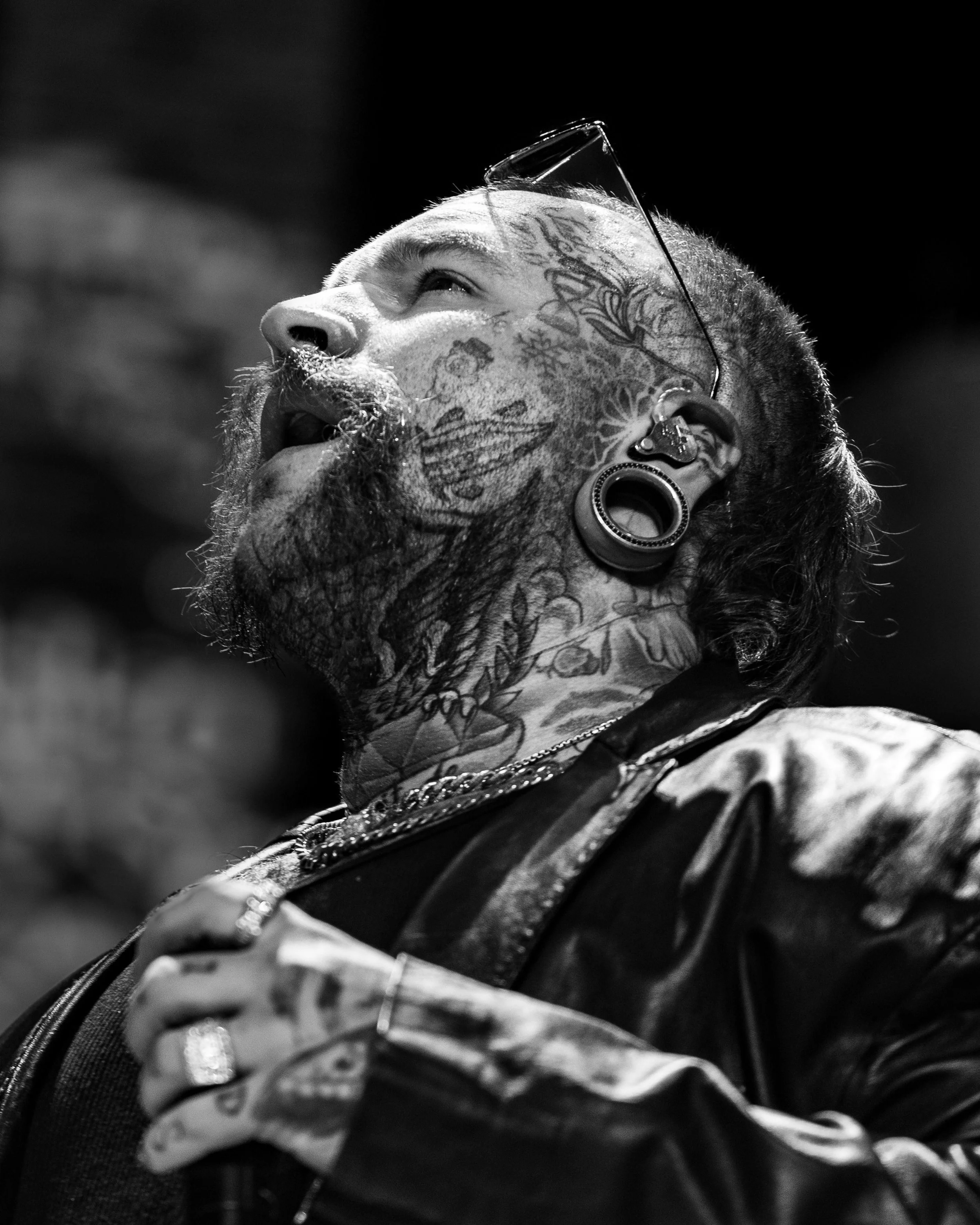
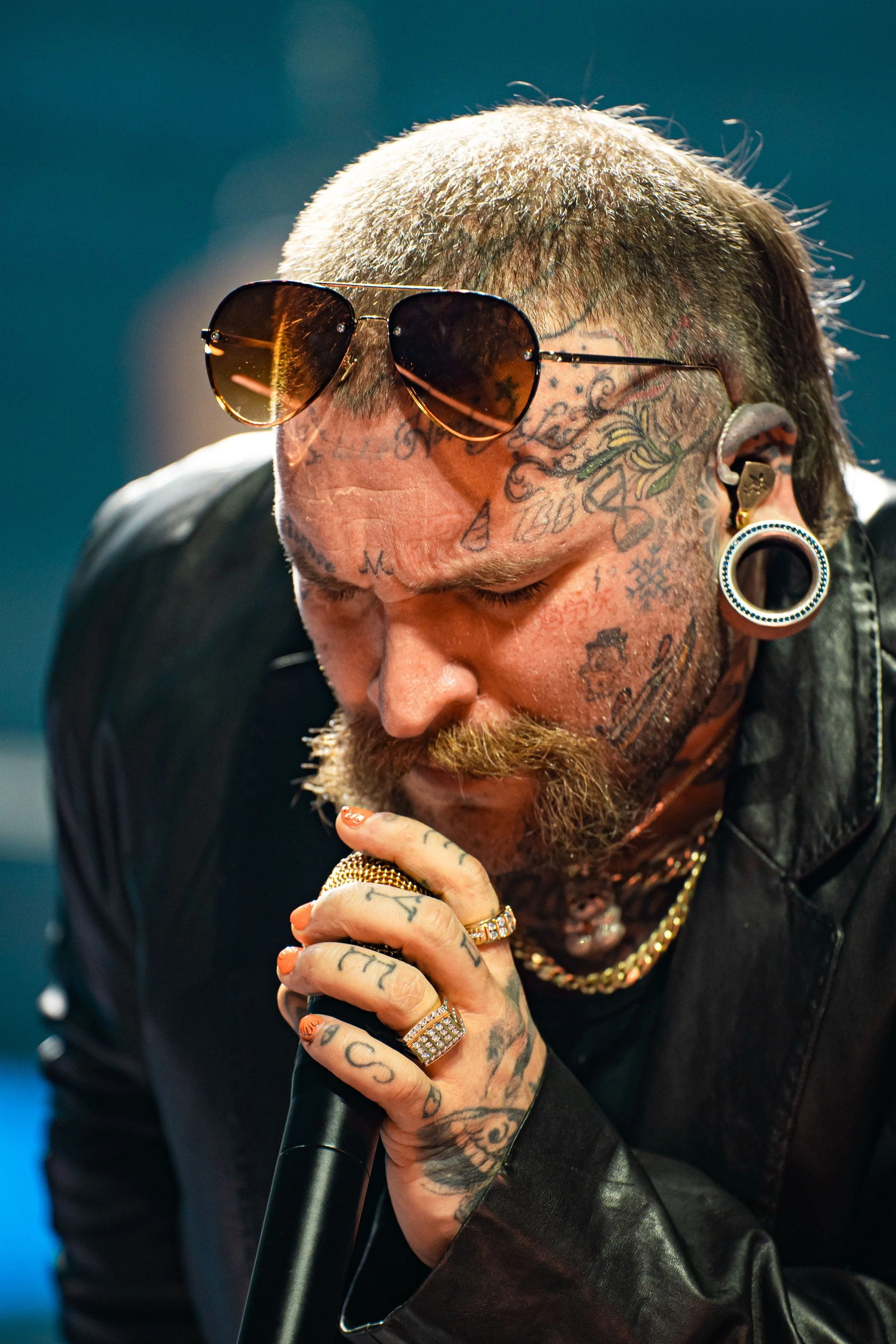
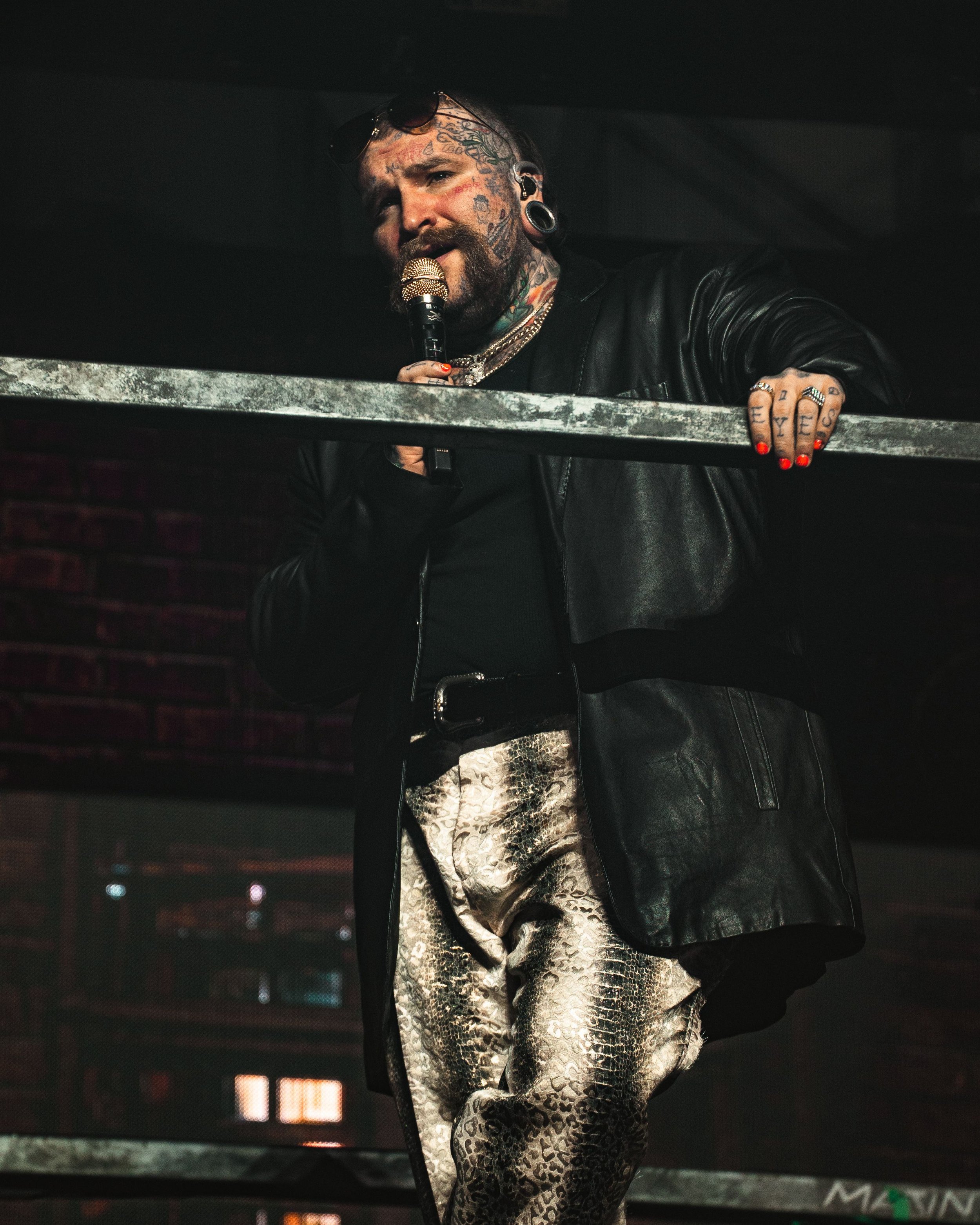
Teddy Swims
There is something fitting about a tour called The UGLY Tour arriving in an arena this enormous. Teddy Swims has built much of his career around the messy, complicated and deeply human sides of love, heartbreak and vulnerability — but on the stage of Toronto’s Scotiabank Arena, that idea is given a surprisingly grand physical form.
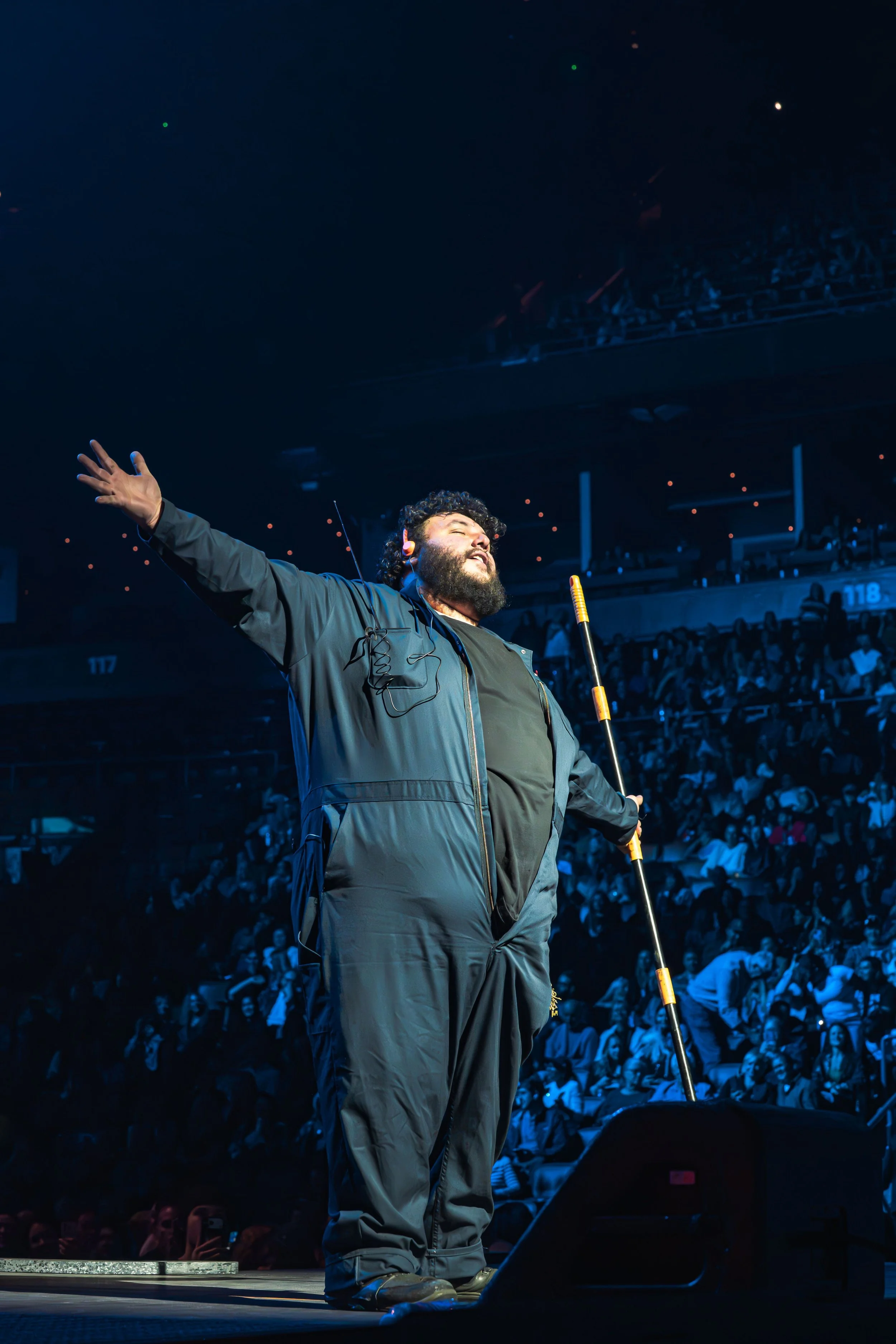
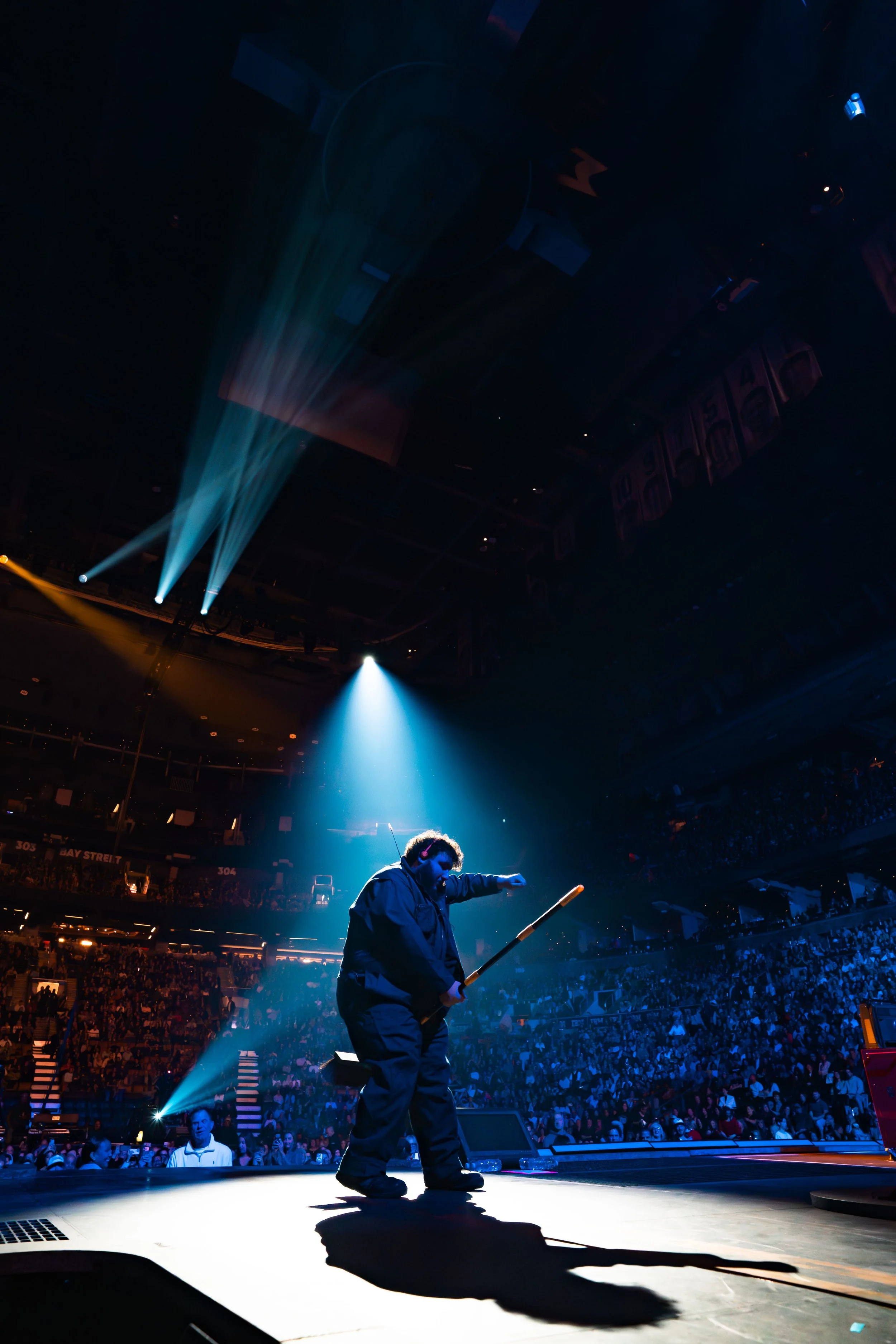
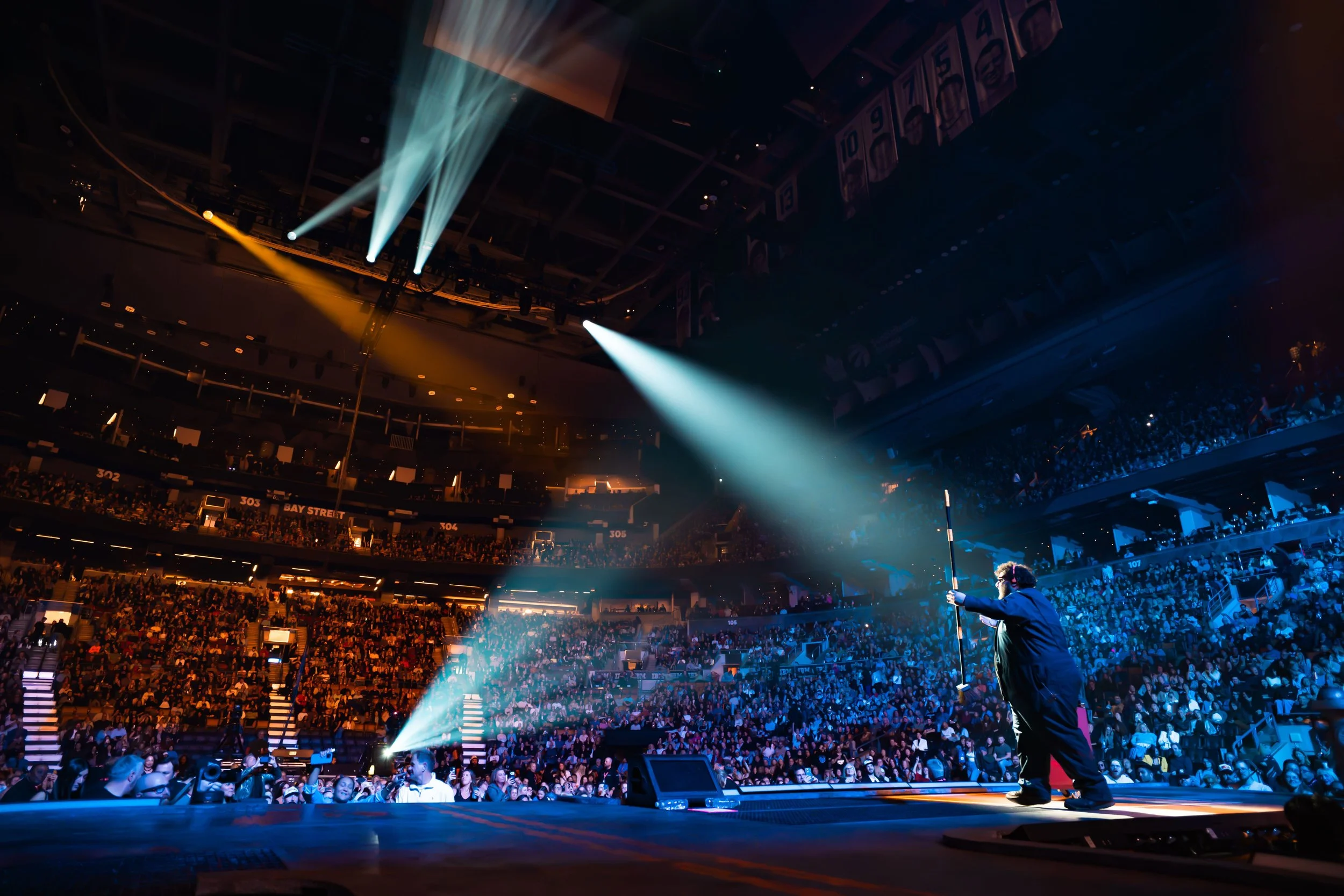
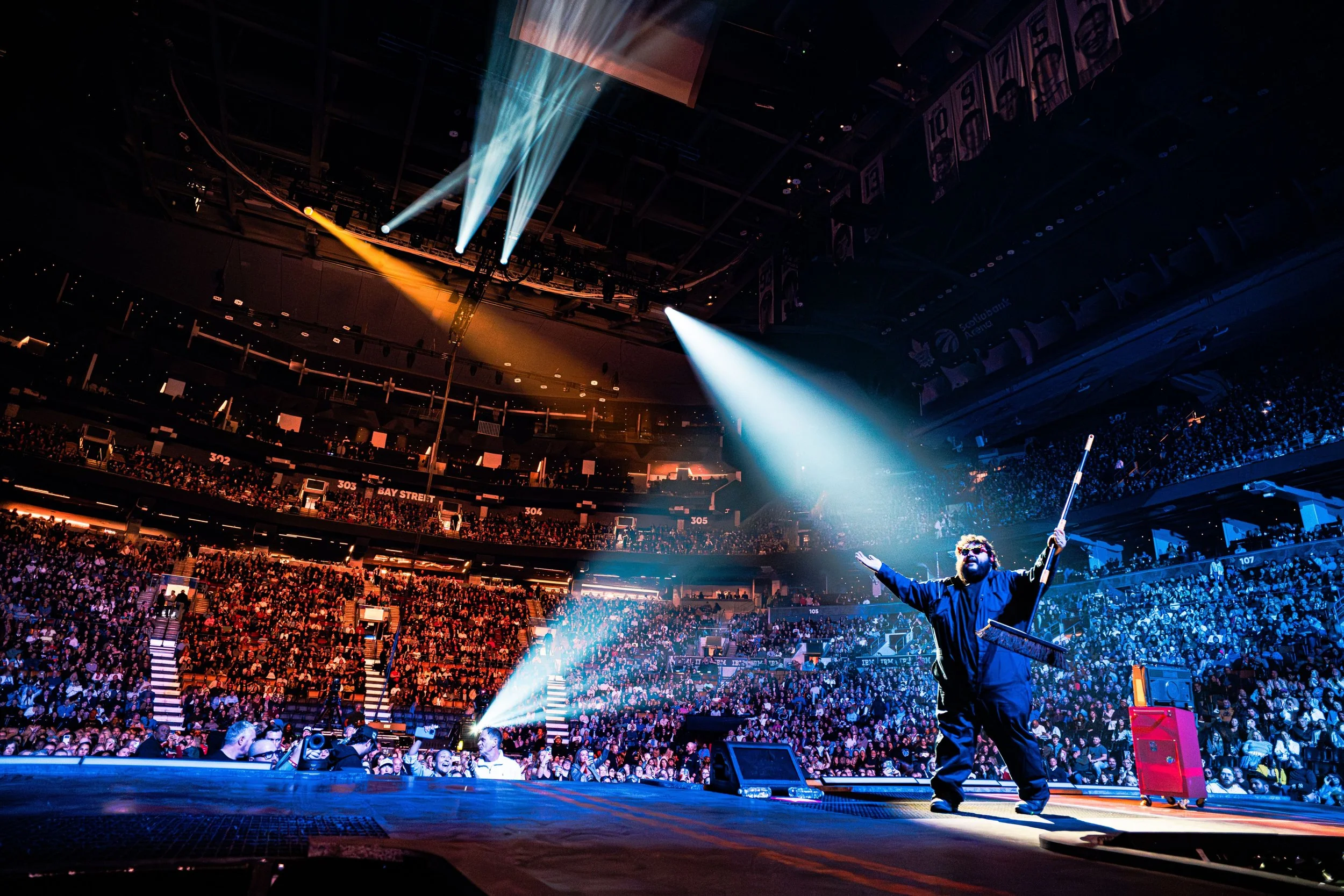
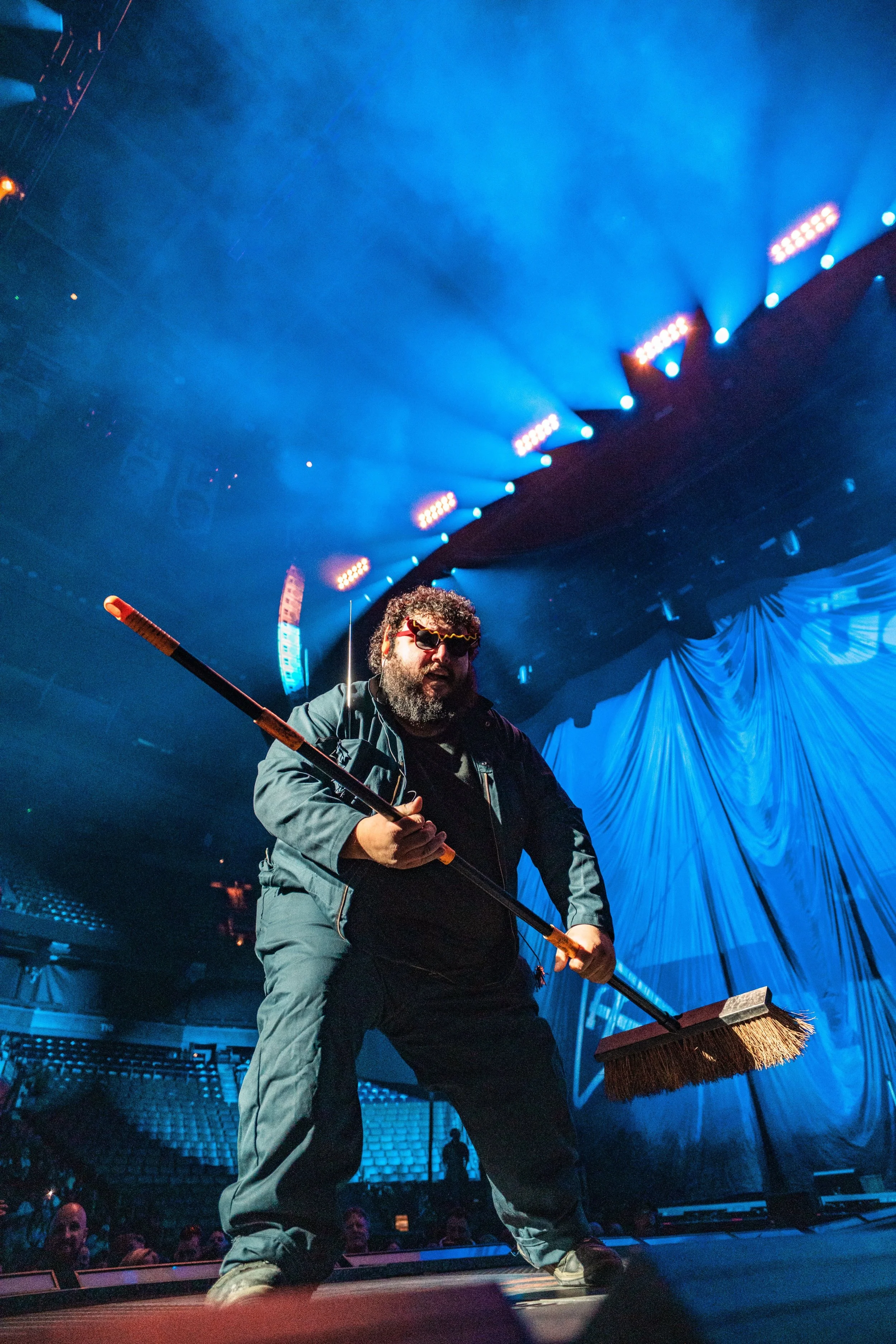
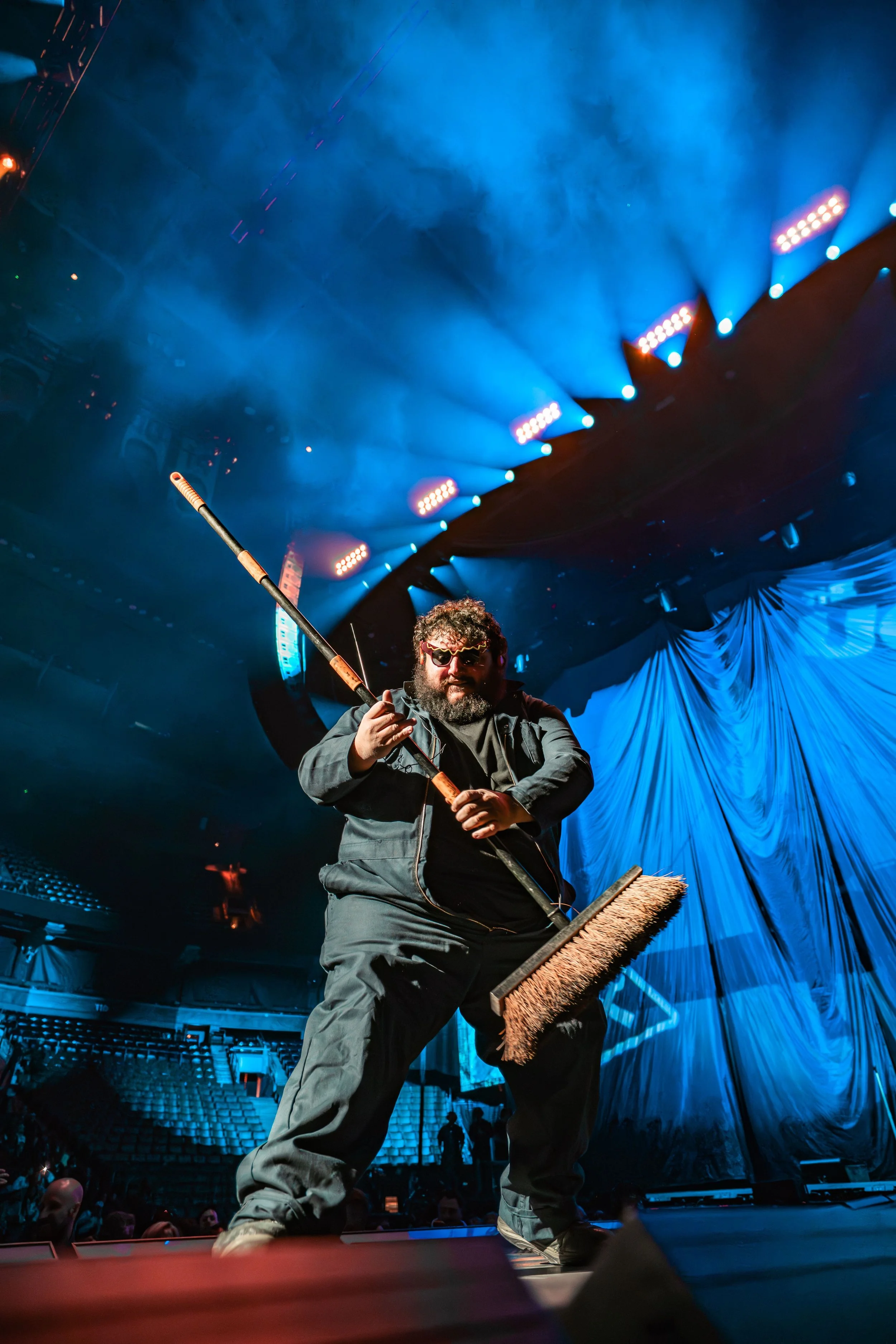
Before Swims even appeared, the audience was introduced to one of the tour’s now-familiar characters: Jose, the dancing janitor, who swept his way around the stage and worked the crowd into a frenzy with sing-alongs ranging from TLC’s “Waterfalls” to The Allman Brothers Band’s “Ramblin’ Man”. It was an appropriately playful beginning to a show that would continually move between the ridiculous and the deeply sincere.
Then the curtains dropped.
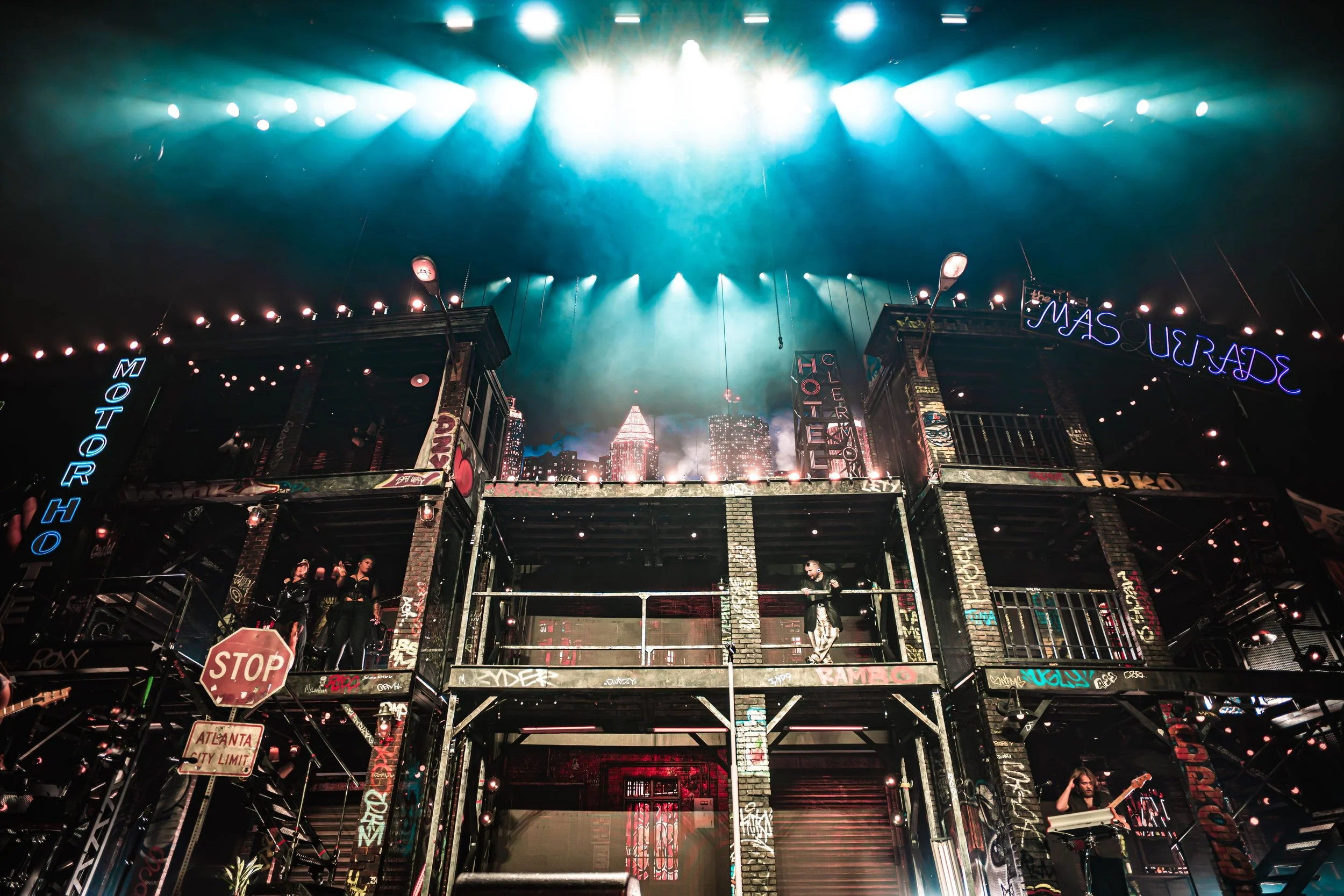
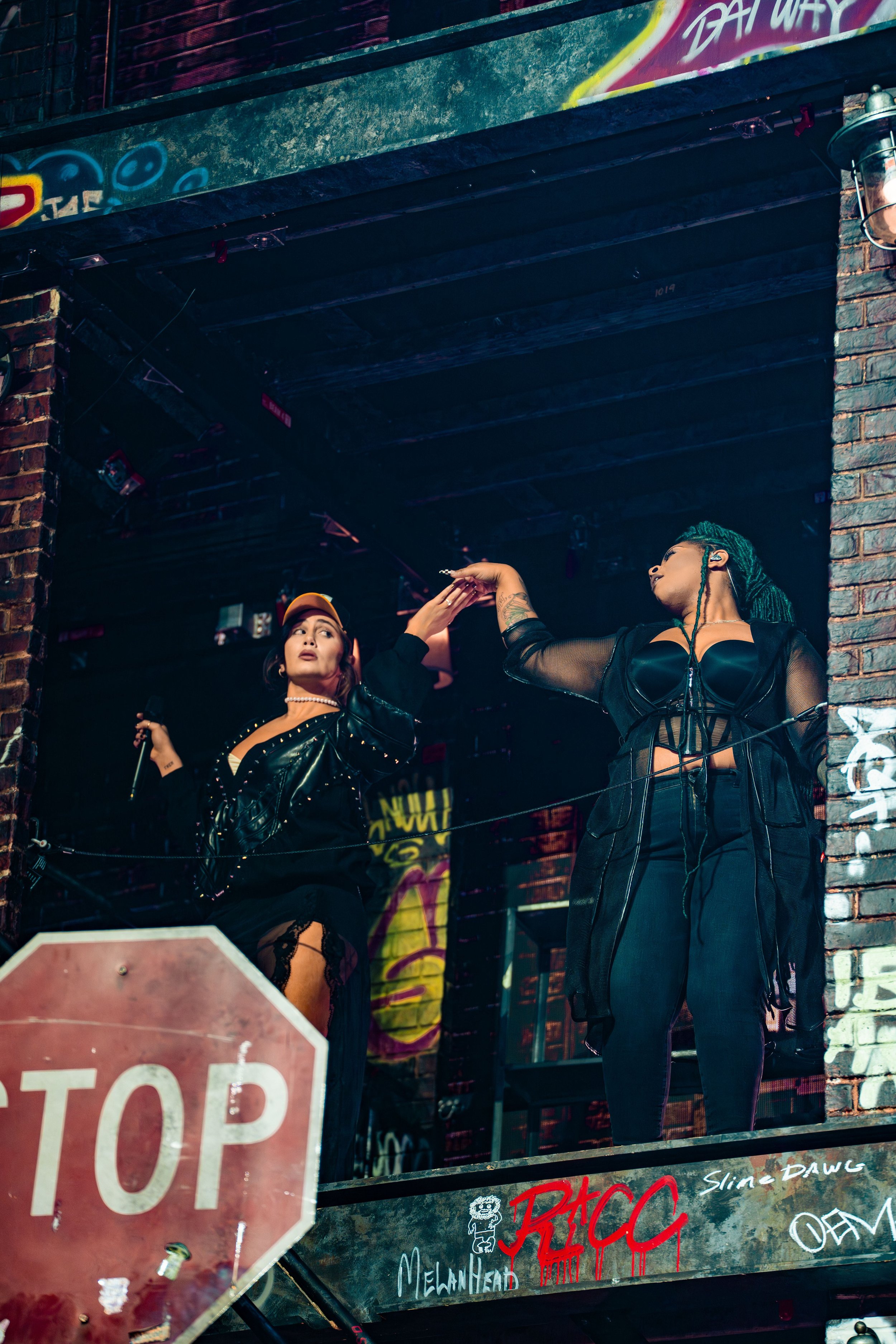
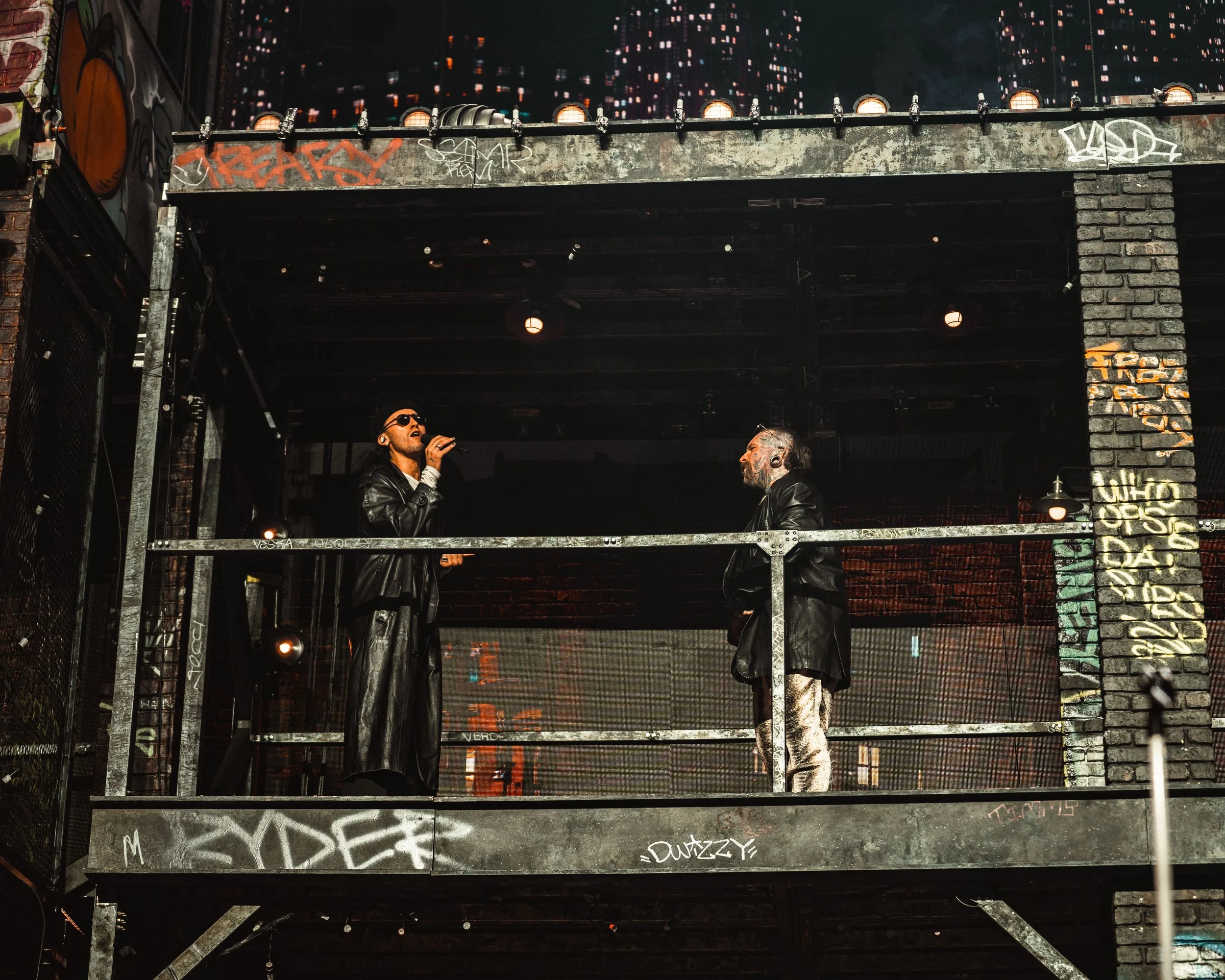
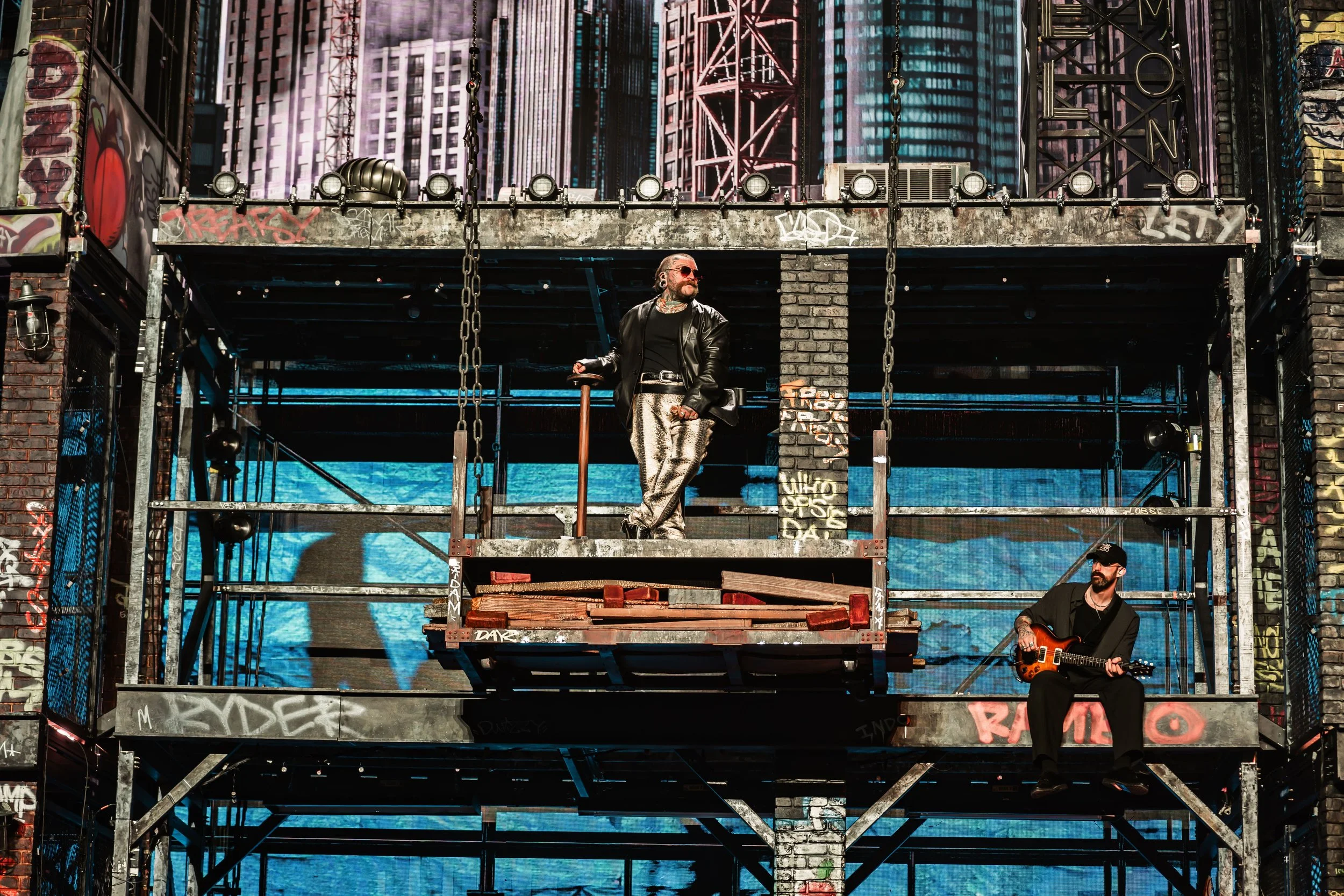
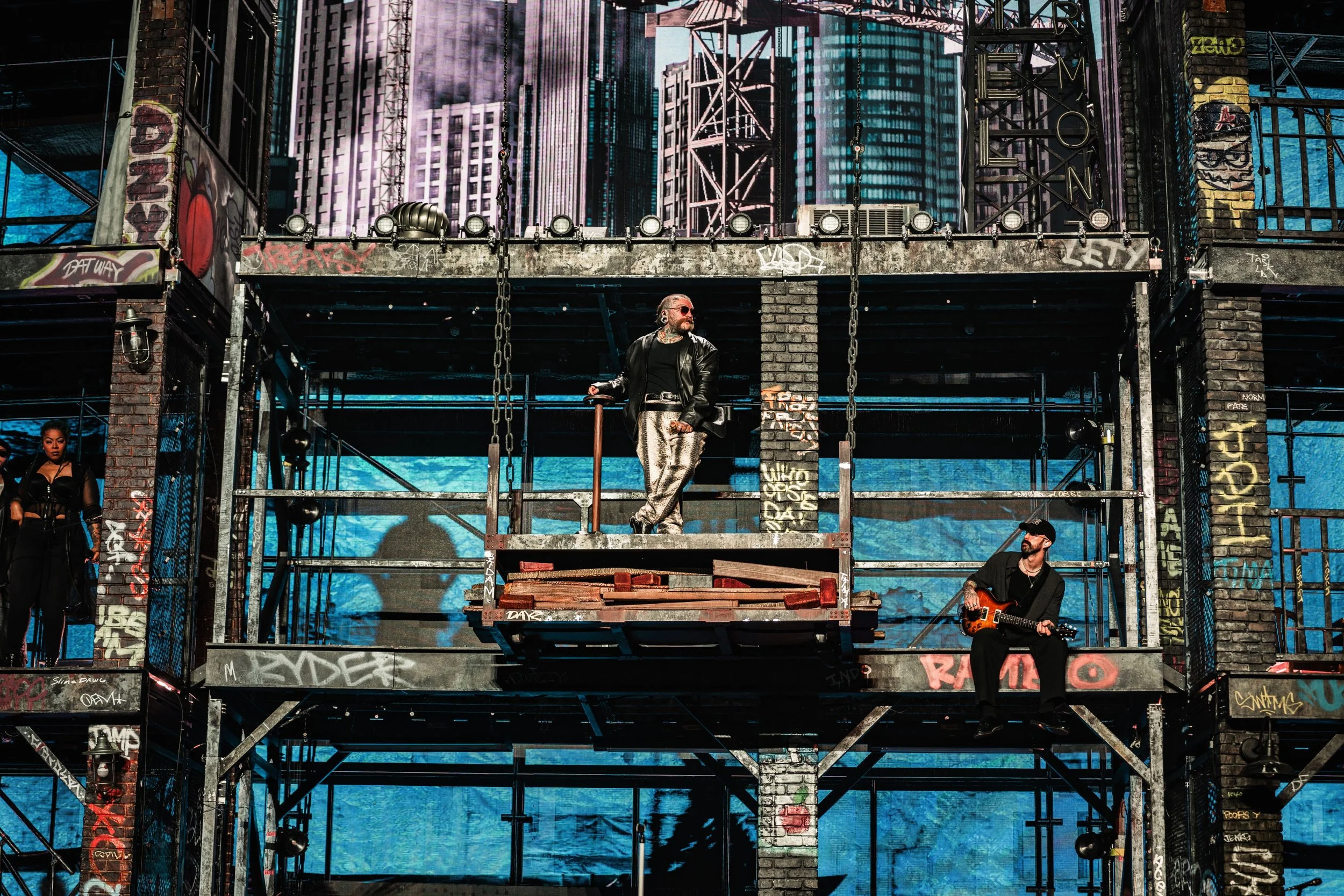
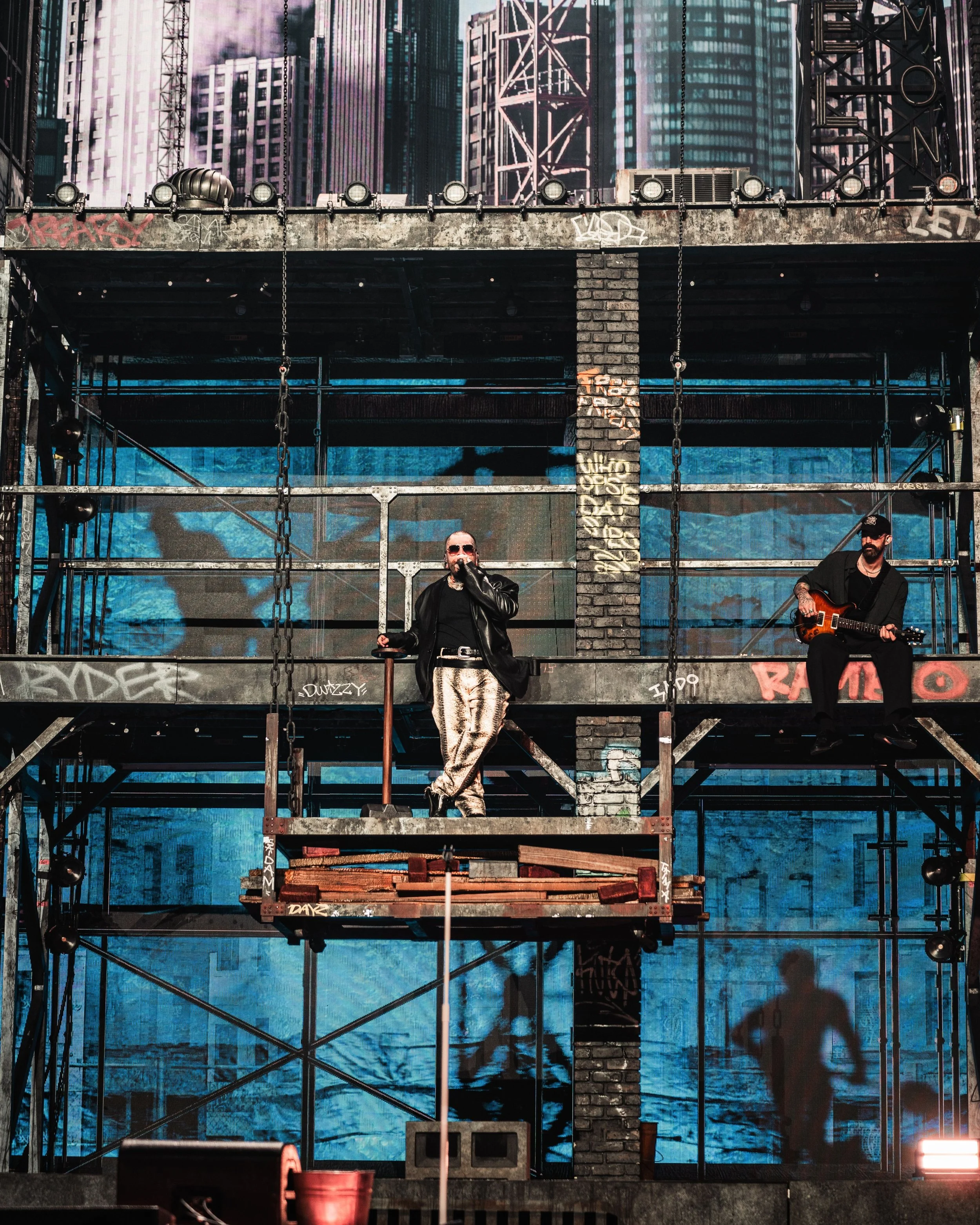
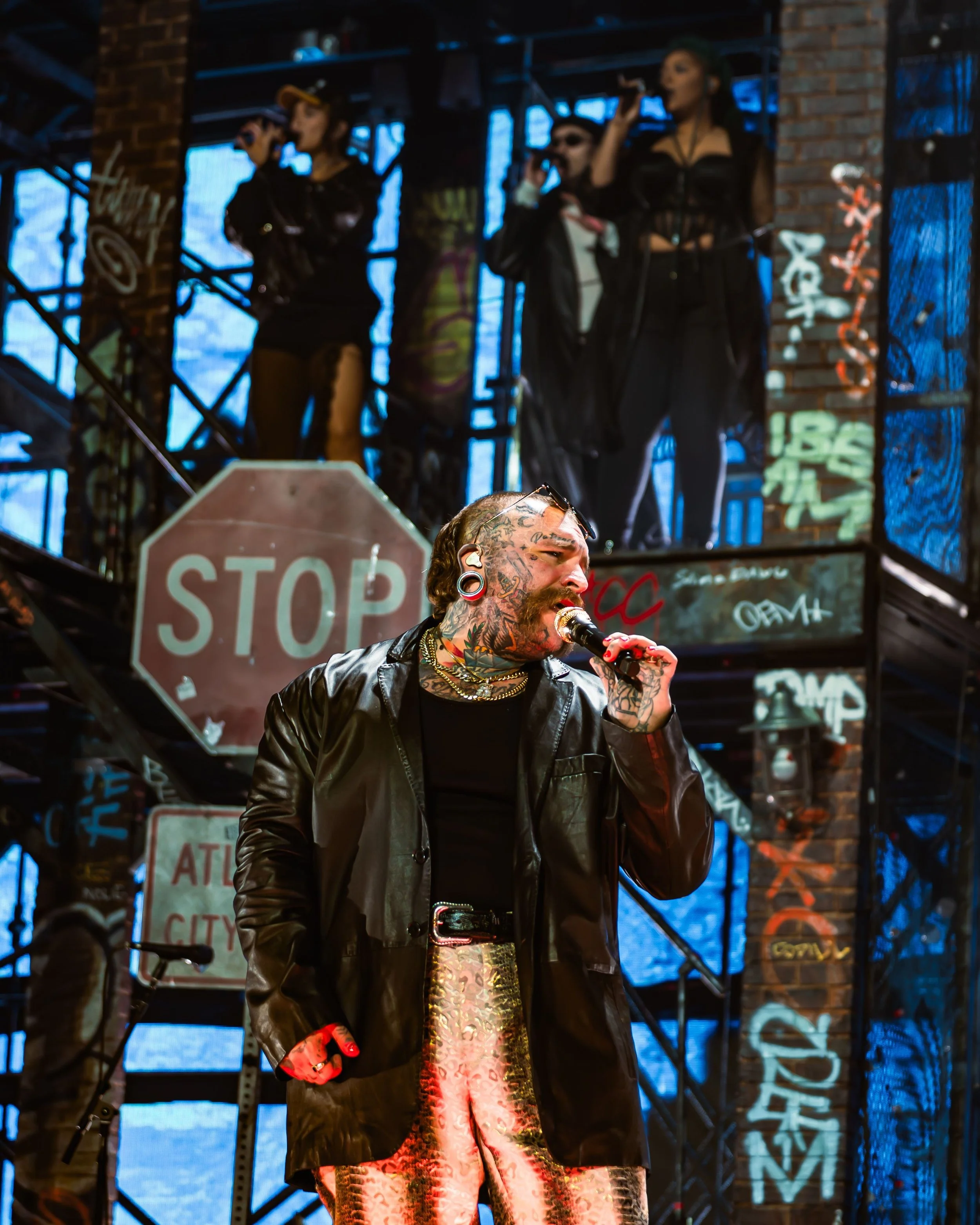
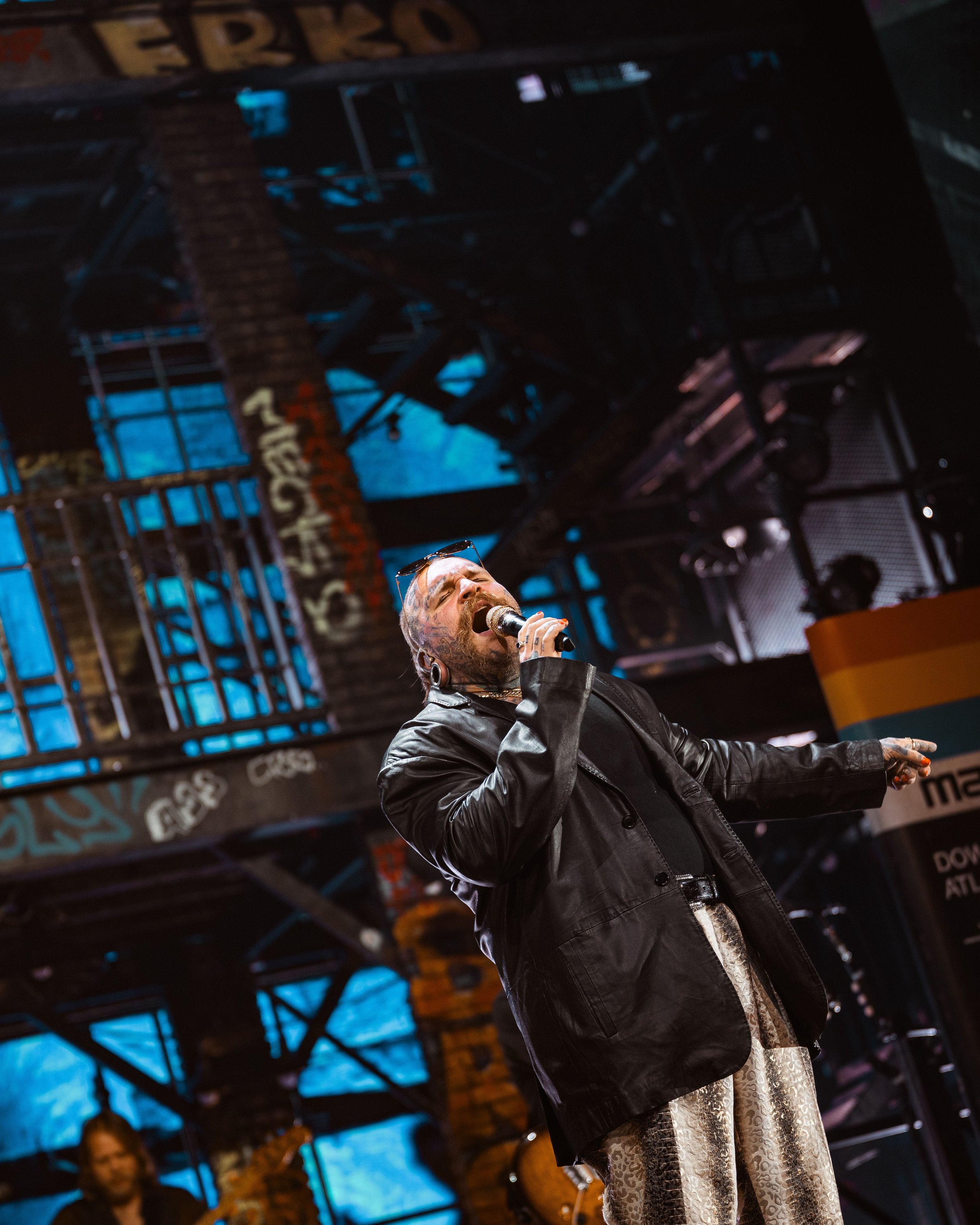
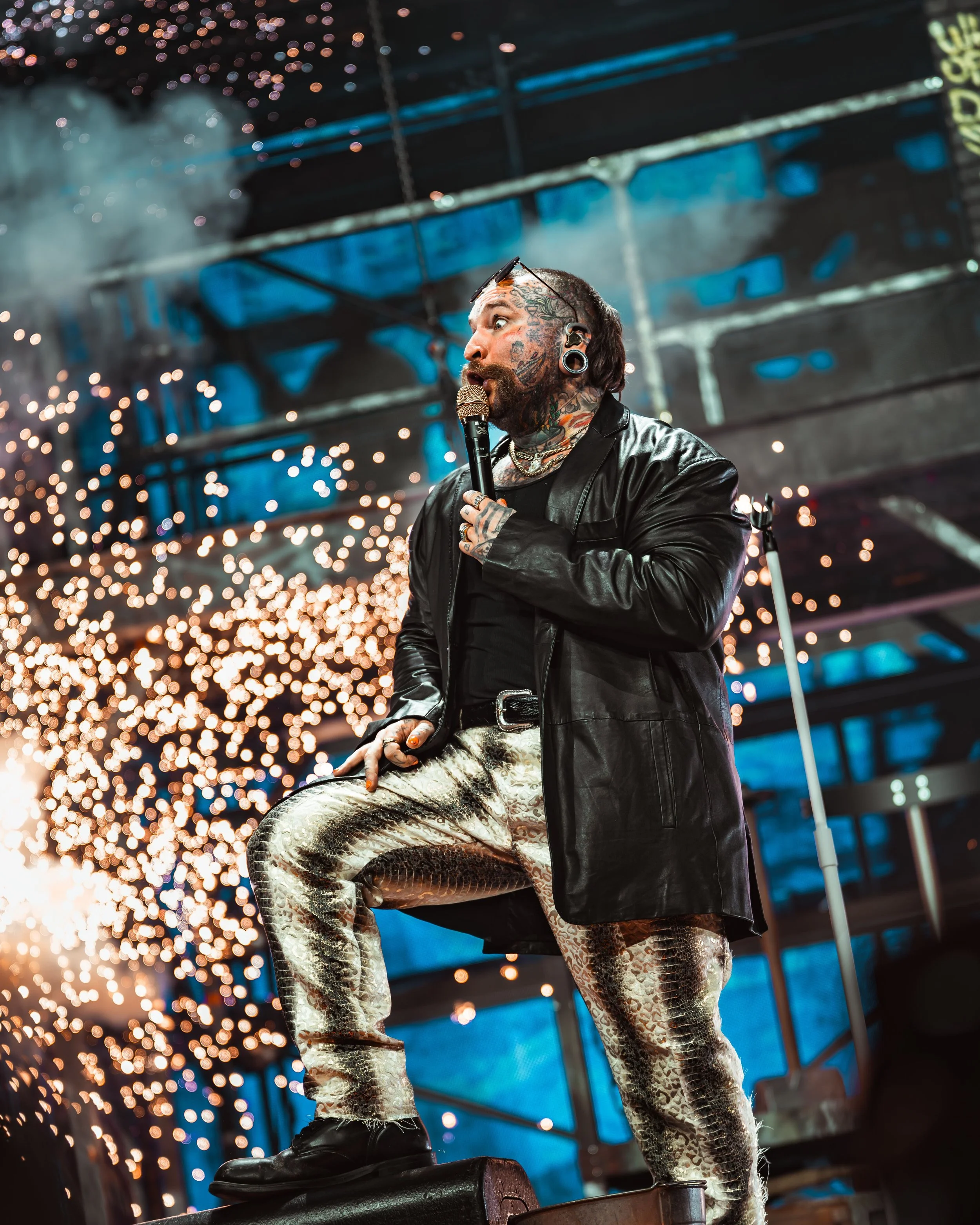
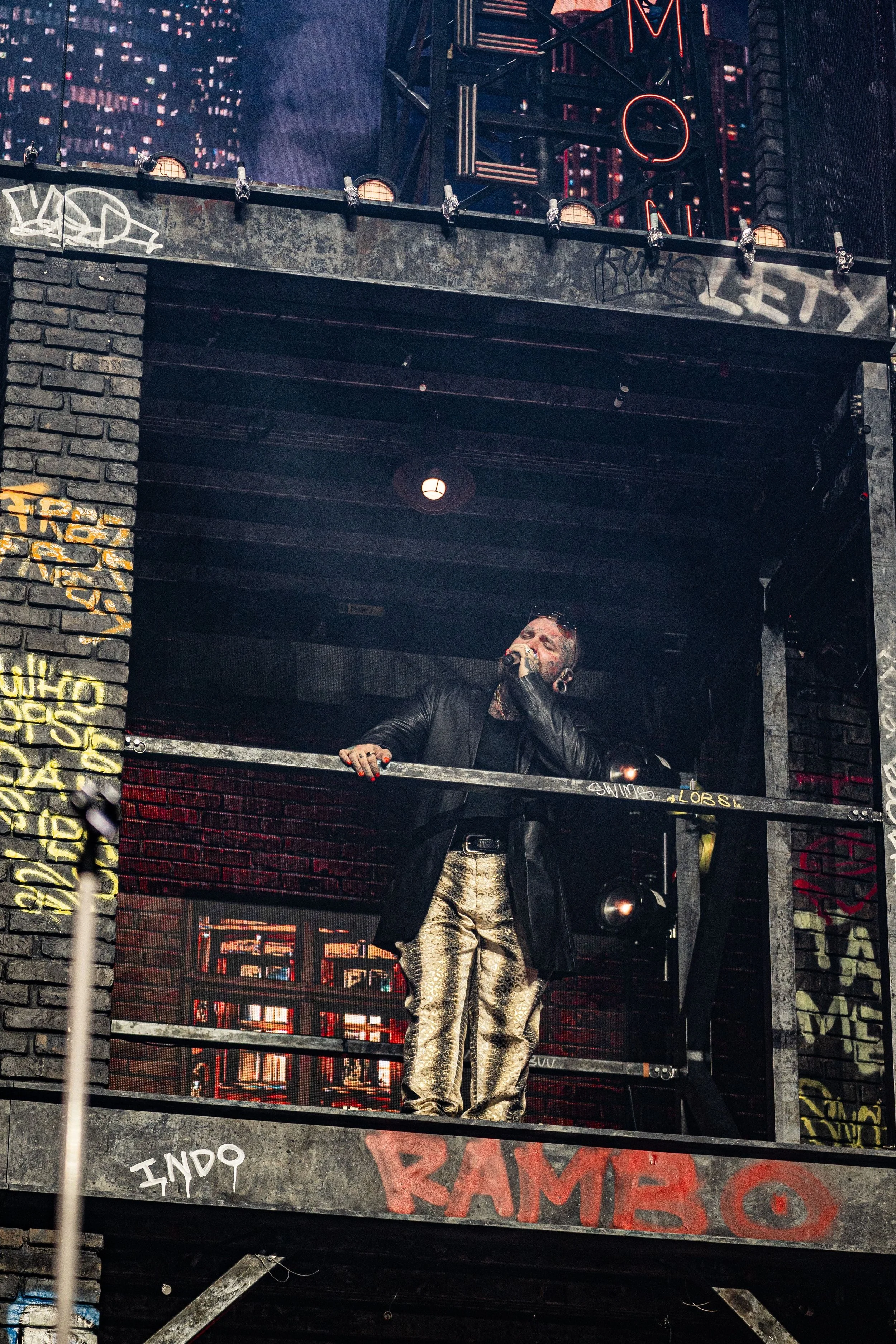
Marked with “Under Construction” and The UGLY Tour, the enormous curtains fell away to reveal a three-story, warehouse-style stage complete with brick façades, roadway elements, illuminated signs and windows occupied by dancers. At first glance, the set seemed almost too large for an artist whose greatest asset is his voice. But the details quickly began to make sense.
The stage is deeply rooted in Swims’ Atlanta, Georgia origins, with references to the city woven throughout the design, including MARTA-inspired transit signage and the names “Clermont” and “Motor Hotel.” The aesthetic sits somewhere between an old theatrical setting and gritty urban Americana, bringing together velvet-like textures, theatrical lighting and rougher industrial elements. Even before Swims sang a note, the set established the central tension of the evening: something can be imperfect, rough around the edges and still be beautiful.
Once the music began, that contrast became even more apparent.
The set moved rapidly between styles and moods. “911” brought the crowd fully into the show, while “Mr. Know It All” had people dancing almost immediately. At one point, Swims appeared at the top of a giant hot-dog stand, delivering impeccable vocals while sharp, strobing lines of light flashed across the stage — and then proceeded to fire T-shirts into the crowd from a giant hot-dog-shaped launcher.
It was absurd. It was entertaining. And somehow, it worked.
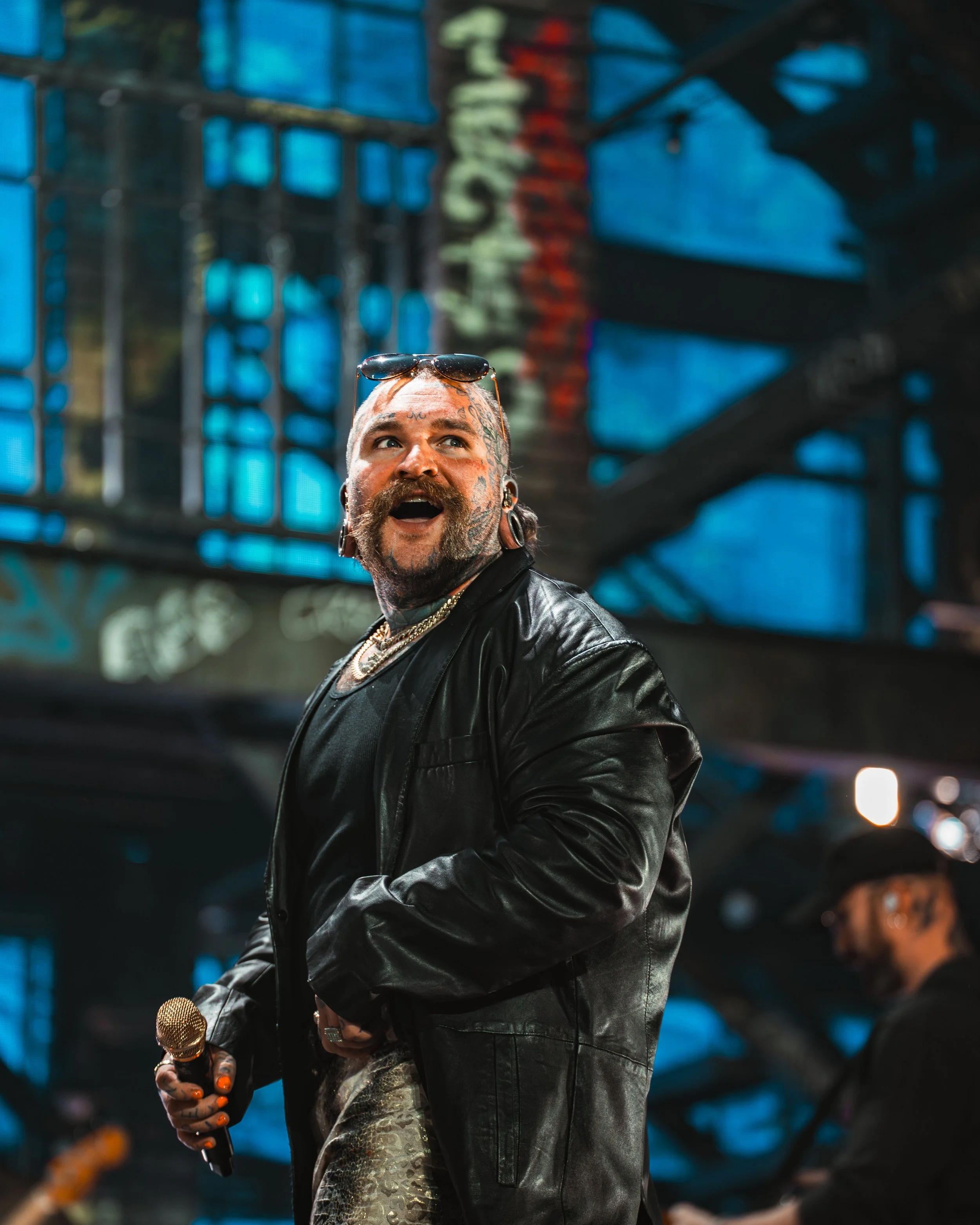
That willingness to embrace theatricality without taking himself too seriously became one of the defining characteristics of the night. Dancers appeared in the windows of the set, lighting shifted between the different “houses,” and Swims moved through a succession of visual environments without ever allowing the production to completely overwhelm him.
Because ultimately, the reason everyone was there was still the voice.
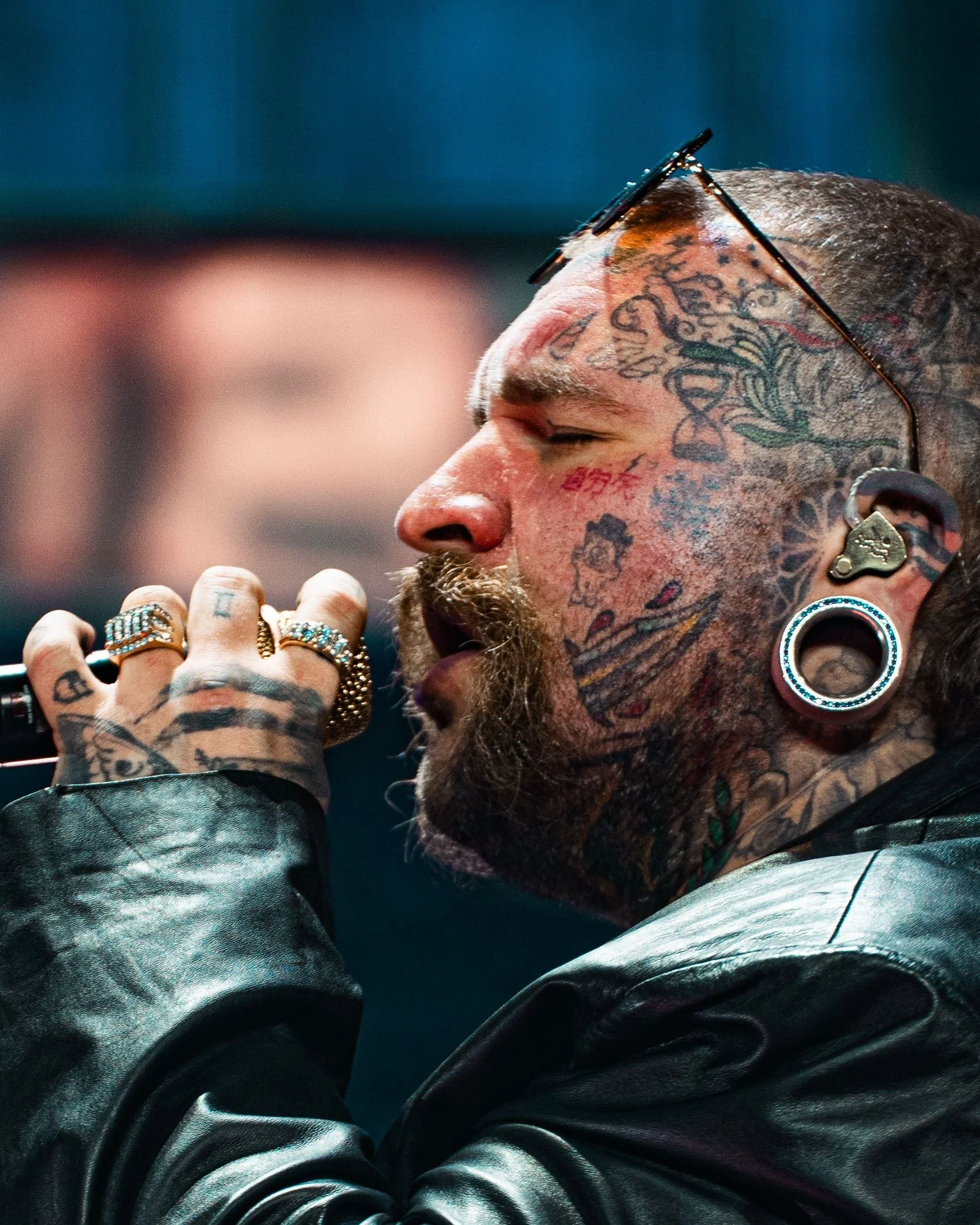
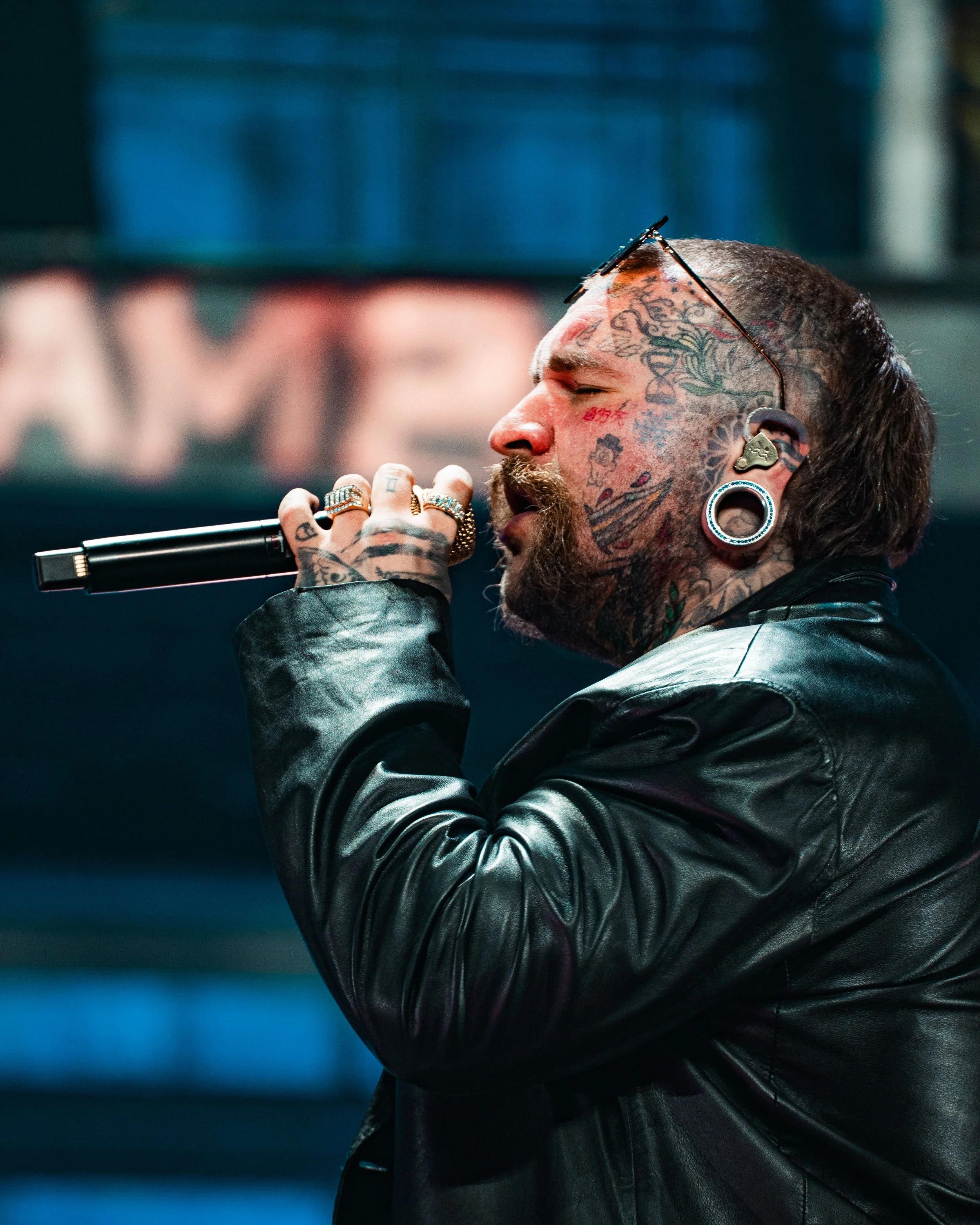
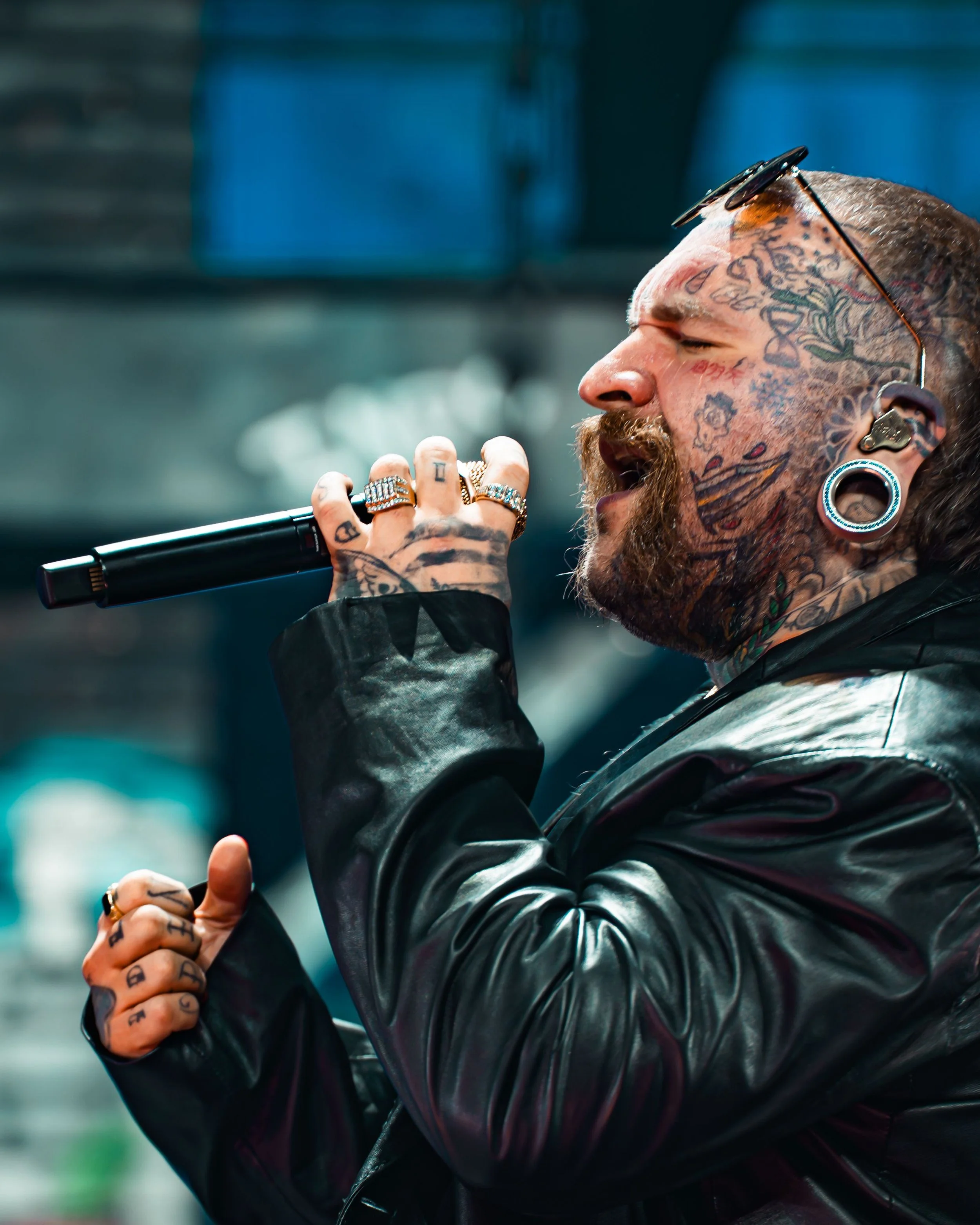
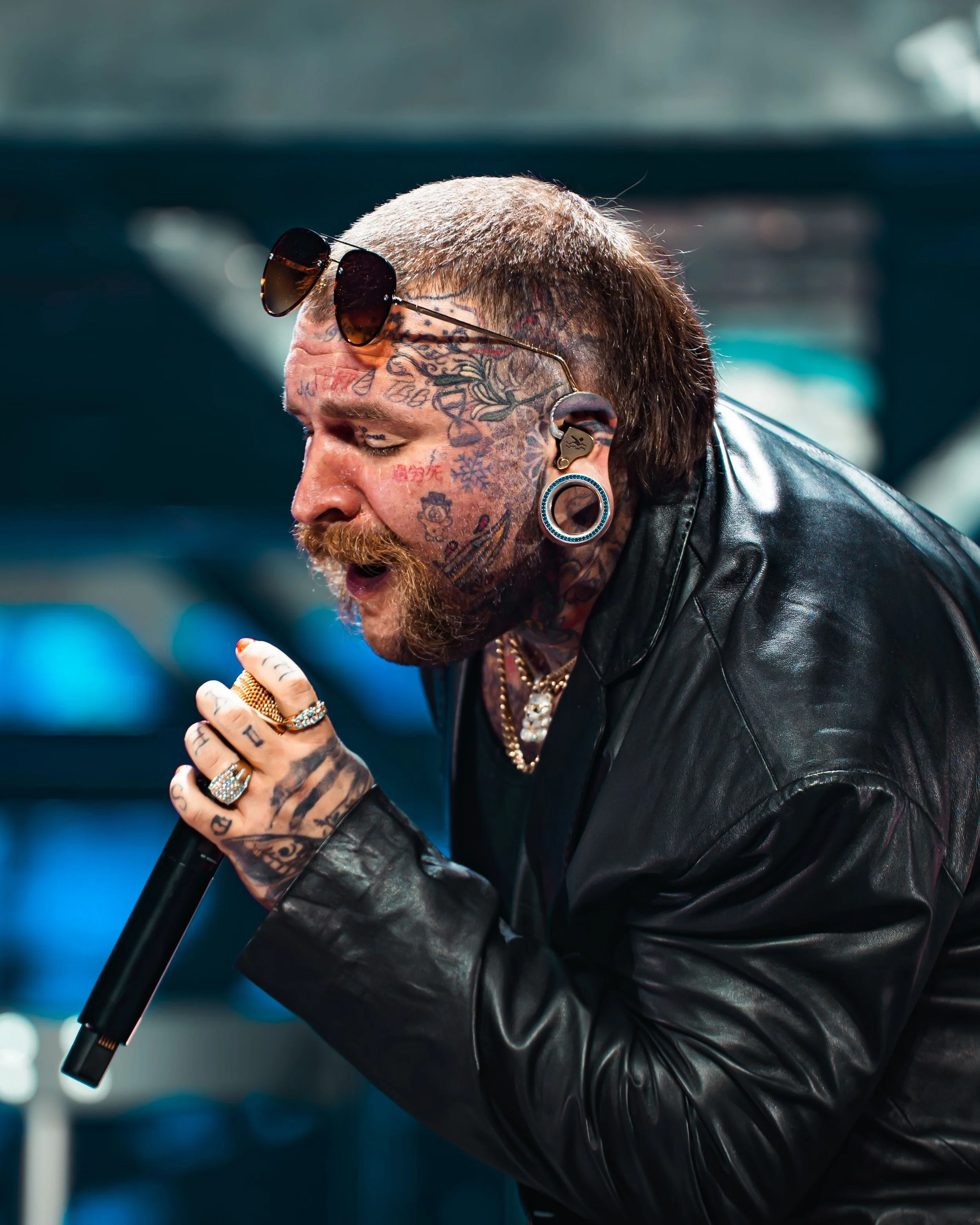
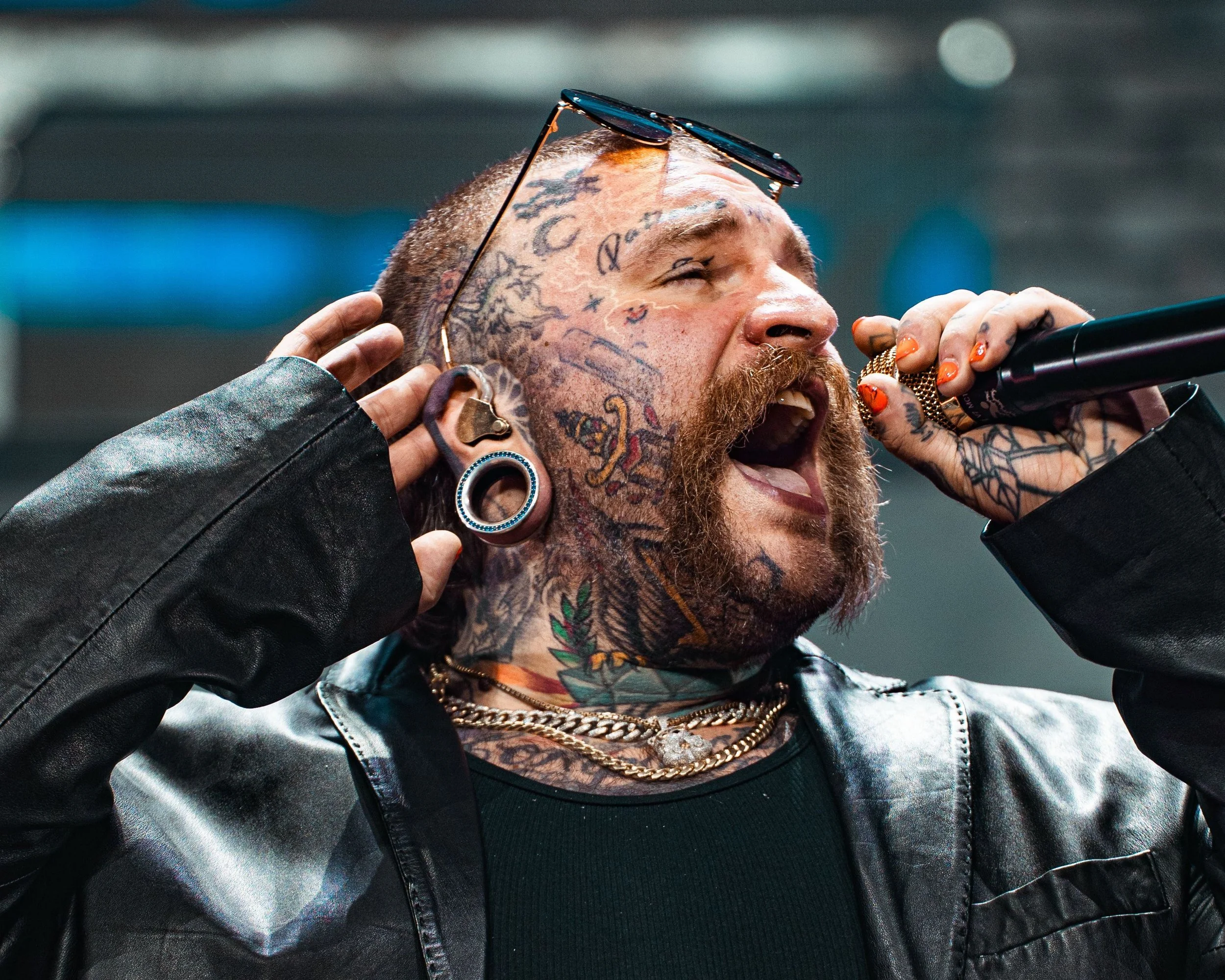
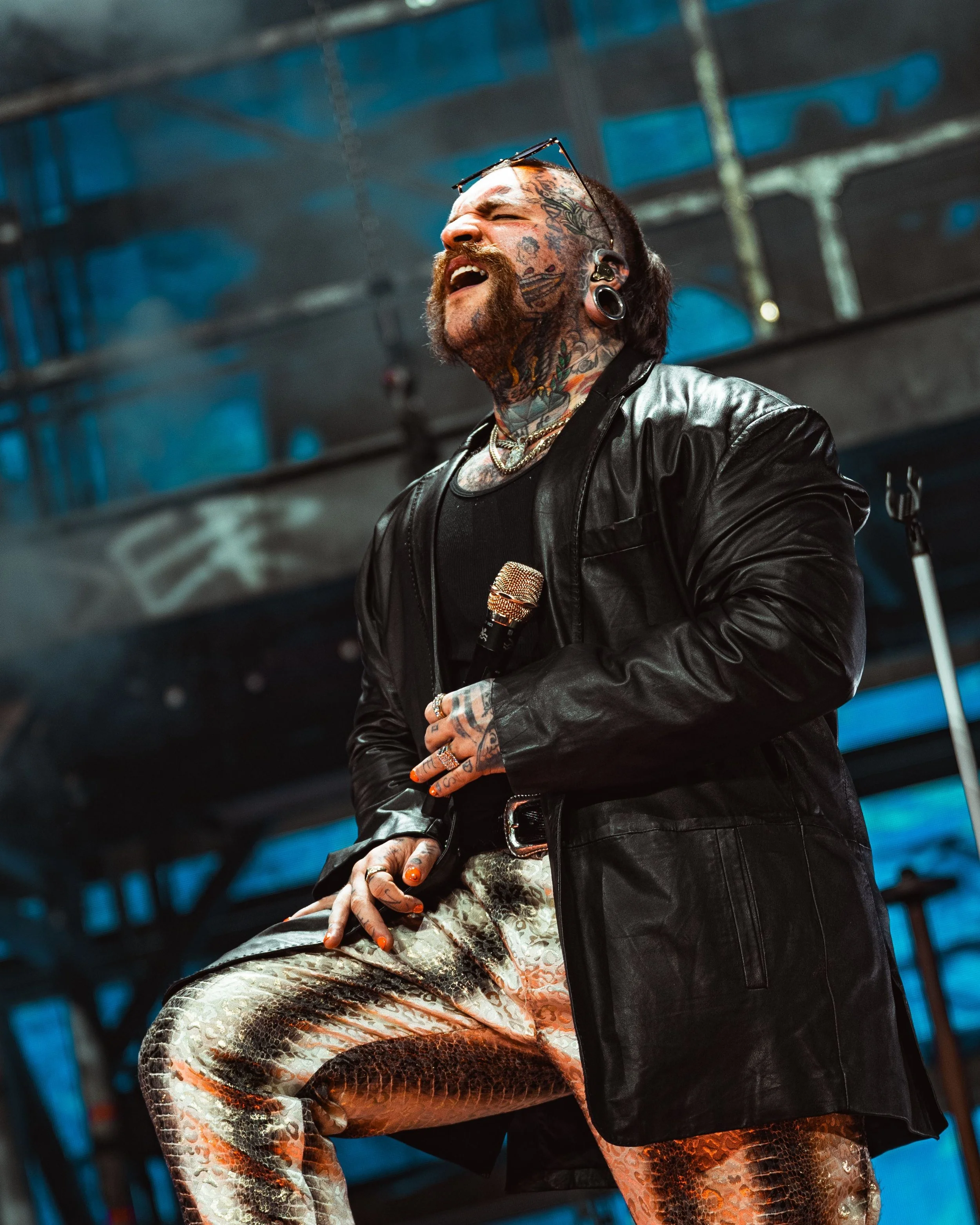
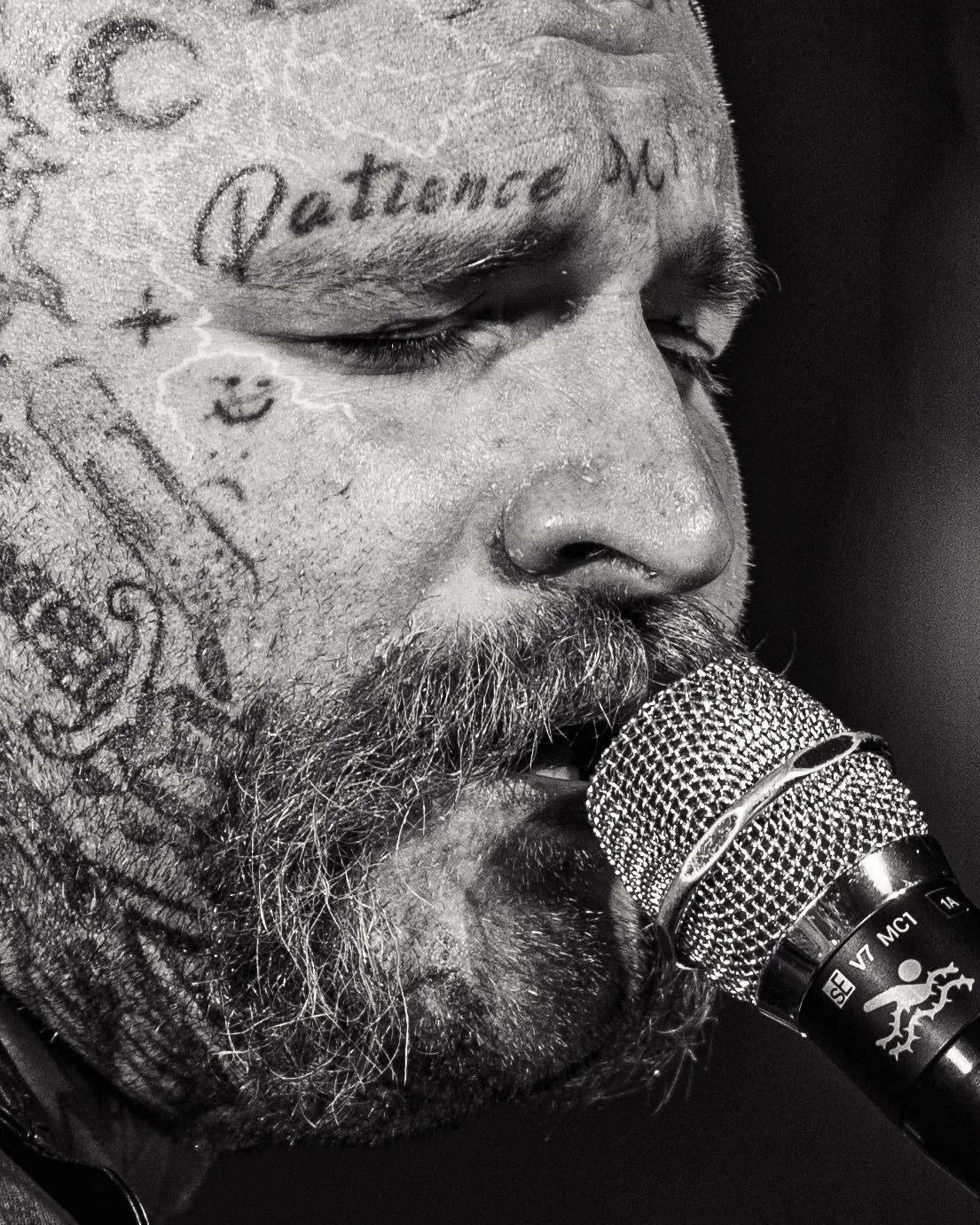
Swims’ raspy, soulful vocals remained the centre of the performance, whether he was leaning into the heavier, more energetic moments or stripping everything back. His ability to move between pop, soul, R&B and rock without losing the character of his voice gave the 25-song set a considerable amount of variety. He also made room for both older material and newer songs, giving longtime fans something familiar while still making the evening feel connected to where he is now.
And Toronto, in particular, became part of that story.
Swims reminded the crowd that he had first performed in Toronto back in 2020 at the Rivoli. Standing in Scotiabank Arena years later, he spoke about reaching a moment that had once been on his bucket list, expressing his gratitude to the audience who helped make that progression possible.
It was one of several moments when the scale of the evening seemed to disappear.
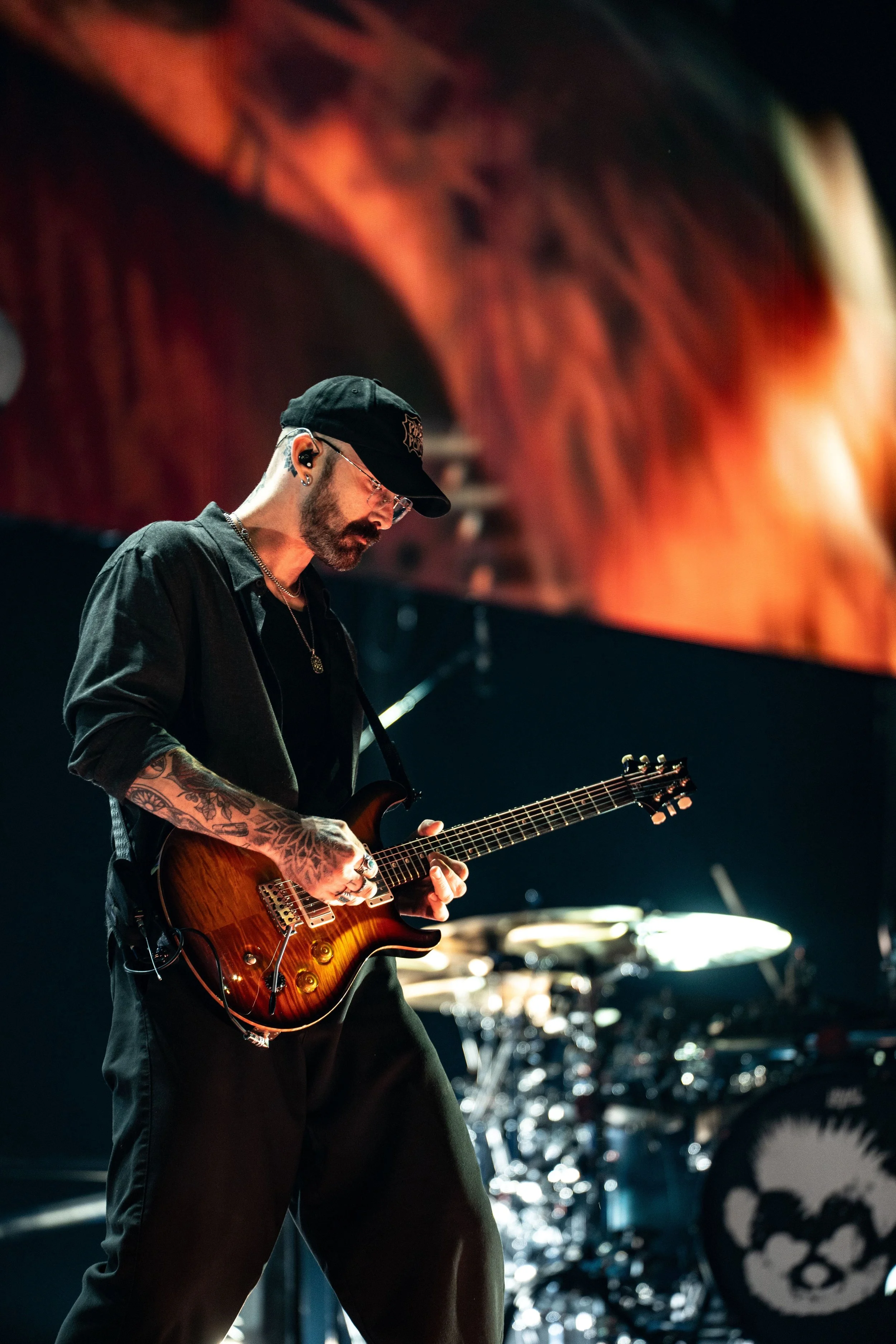
That happened again during “She Loves the Rain.” After all the flashing lights, giant props and elaborate staging, Swims sat down with guitar and piano for a much quieter portion of the show. The audience responded by raising the flashlights on their phones, turning the arena into a field of small lights.
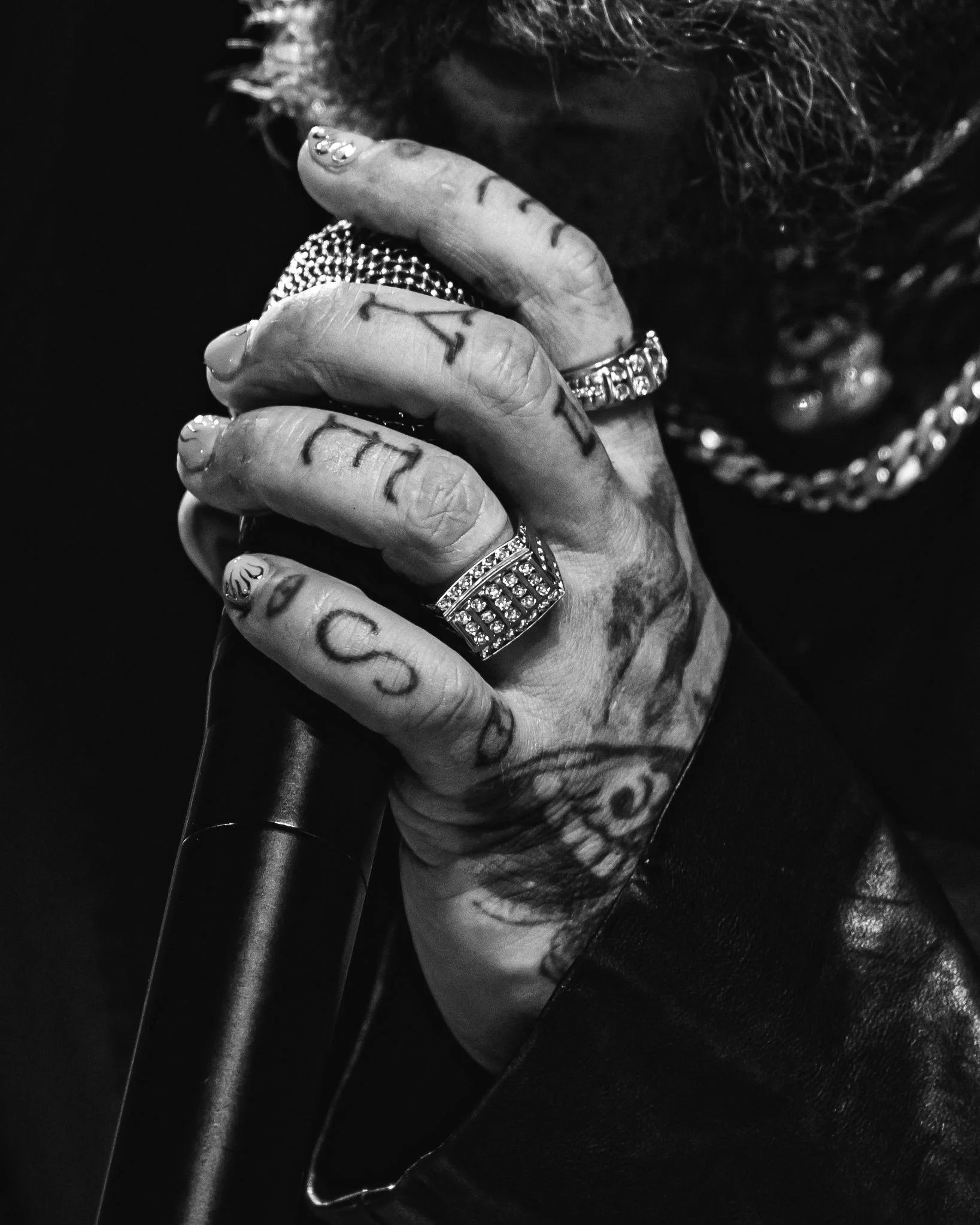
For an artist capable of filling an arena with production, Swims seemed most exposed when there was almost nothing between his voice and the audience.
“If You Ever Change Your Mind” and “Some Things I’ll Never Know” continued the acoustic stretch, with Swims talking directly to the crowd between songs. At one point, he told the audience they had no idea how much they had changed his life. The sentiment could have easily become overly sentimental in a room this large, but the stripped-back arrangement gave the moment enough space to breathe.
The audience gave him that same energy back throughout the night. They sang along, danced through the upbeat numbers and responded loudly to every opportunity to participate. A QR- code vote even allowed fans to choose a song that wasn’t already on the printed list, turning the setlist into something slightly less predictable and making the audience an active participant in the performance.
Yet for all of the elaborate production, the strongest moments of the night were often the simplest ones.
There was a distinct shift whenever the lights came down and the arrangements became quieter. The audience stopped being thousands of people inside a massive arena and became something closer to a room full of people listening to someone sing directly to them. That intimacy is difficult to manufacture at this scale, and Swims seemed to understand exactly when to let the production step aside.
The result was a concert that never stayed in one emotional place for very long. One minute, the audience was dancing beneath flashing lights and watching Swims fire T-shirts from a giant hot dog. The next, hundreds of phone flashlights illuminated the arena as he sat with a guitar and sang a song that needed no spectacle at all.
That may be the real strength of The UGLY Tour. Beneath the warehouse façades, Atlanta references, pyrotechnics, dancers, props and larger-than-life staging is an artist whose greatest ability remains remarkably simple: making a very large room feel personal.
By the time the final songs arrived, Swims had taken the audience through nearly every corner of his musical world — old songs, new songs, covers, energetic performances and stripped-back confessionals. Twenty-five songs is an ambitious setlist, but it felt deliberately constructed to give different parts of his audience something to hold onto.
The UGLY Tour may arrive wrapped in an enormous production, but Teddy Swims doesn’t need all of it to prove why he belongs on an arena stage.
Give him a piano, a guitar, a microphone and a room full of people willing to listen — and the rest is almost beside the point.